Baby Mirror
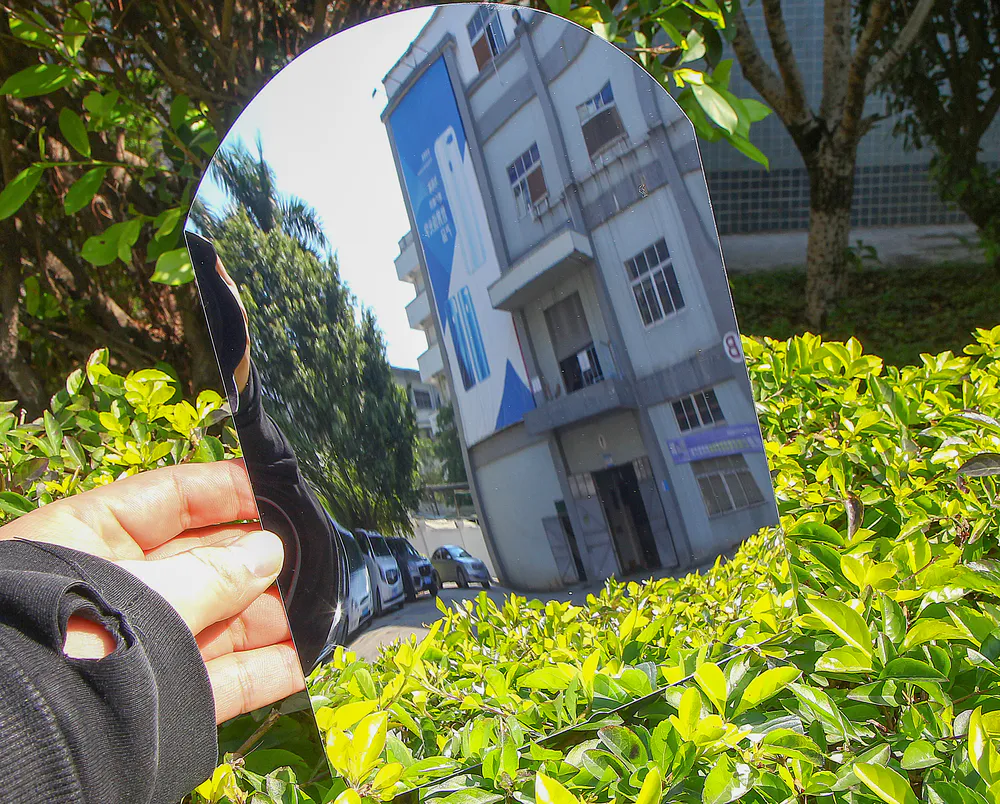
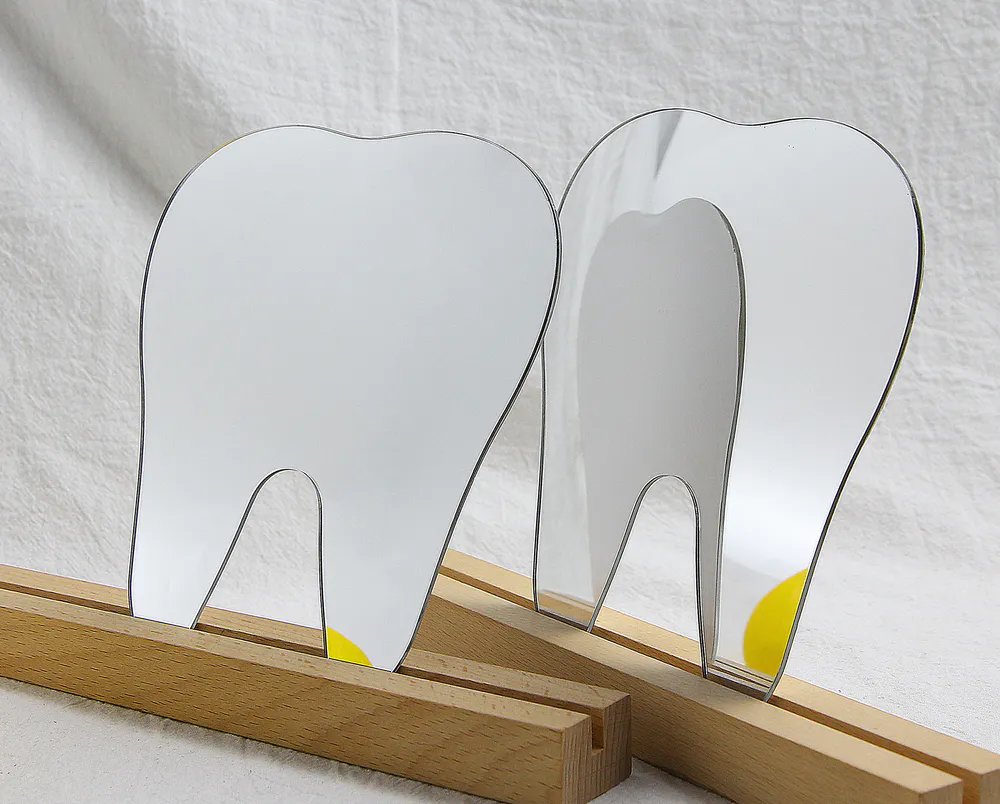
PETG plastic mirror are often considered a safe and ECO-friendly material, making them ideal for infant and baby mirror. We offer the mirror needed for these products and can provide customization options in terms of size, shape, and surface treatment.
We do not offer baby mirrors, we only supply the mirror required for this products.
- Home
- Application
- Baby Mirror
What Kinds Of Baby Mirrors Are There?
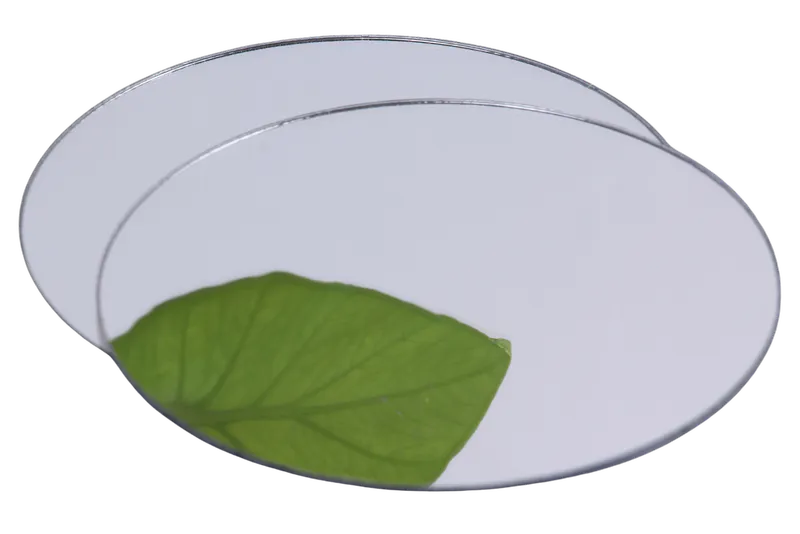
Safe Soft Mirror
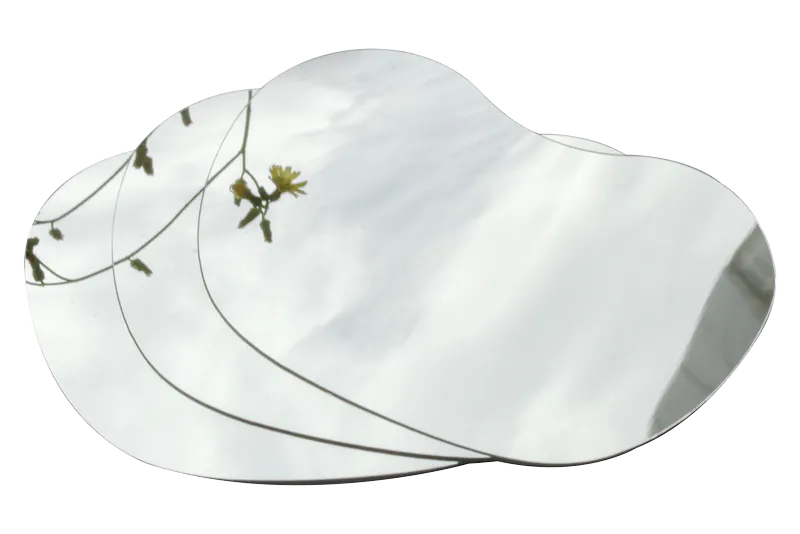
Safe soft mirrors are commonly used in baby, early learning products, and sensory play items because they let babies notice faces, movement, and light reflection in a gentler way. For this kind of baby-contact mirror, PETG is a very practical material choice because it is lighter, softer, and more flexible than glass, and it is less likely to form dangerous sharp fragments if impacted. We can provide custom laser-cut PETG mirror pieces in round, oval, and other child-friendly shapes to match different structures and soft-frame designs.
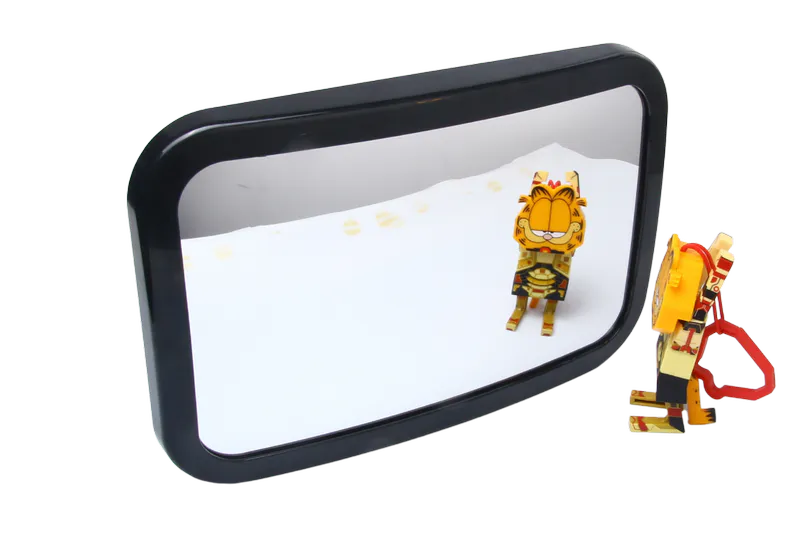
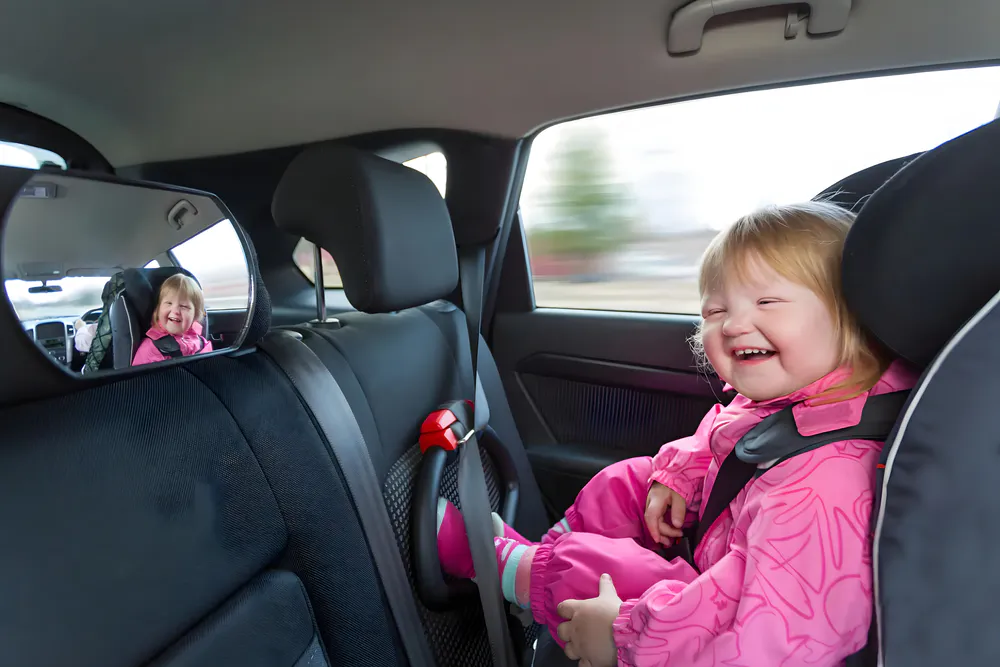
Car Seat Mirror
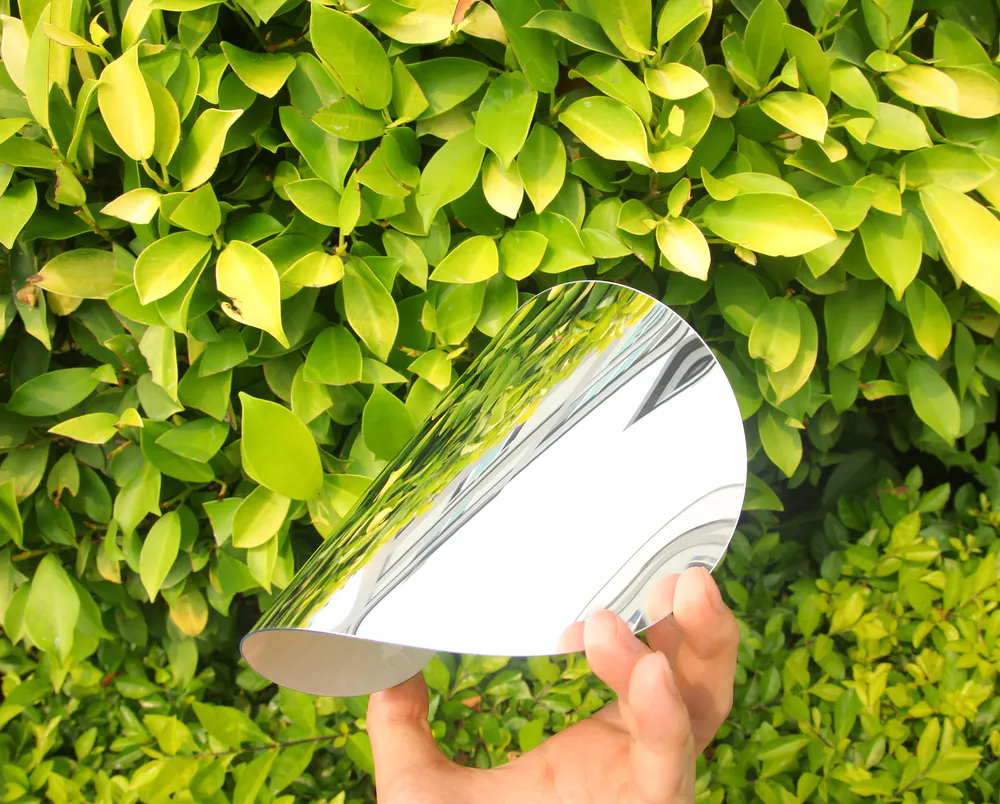
Car seat mirrors are designed to help parents keep an eye on babies while driving, so the mirror insert needs to be lightweight, safer than glass, and suitable for repeated movement and vibration. Usually, these products use convex mirrors made of PETG, though acrylic is also an option. Both materials have their own advantages. We can supply plastic mirror sheets and custom-cut mirror inserts for baby car seat mirrors in different sizes, shapes, and assembly requirements.
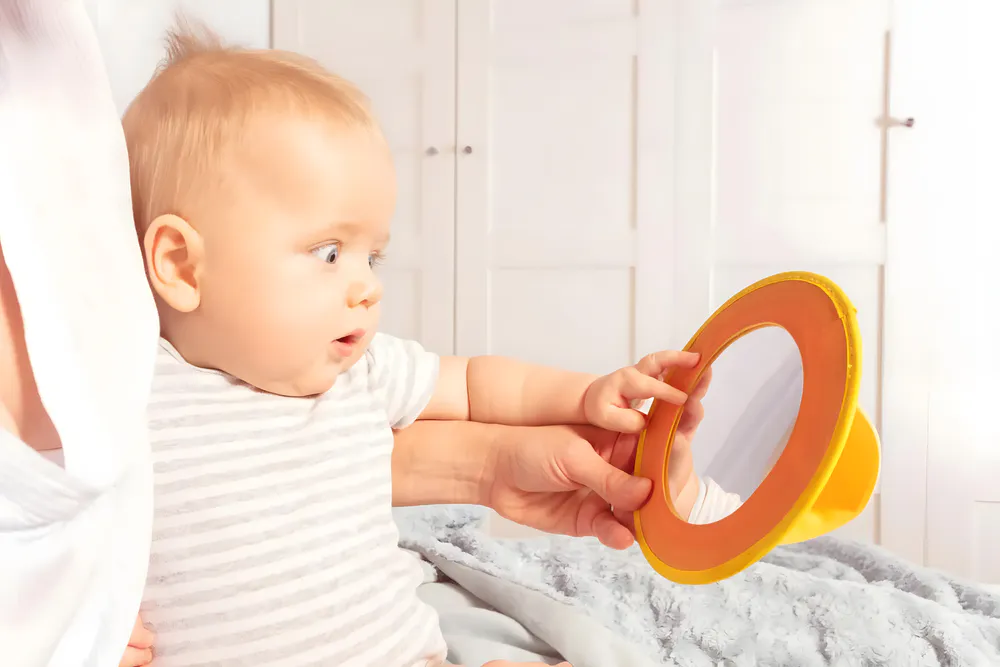
Mirror For Baby Gym
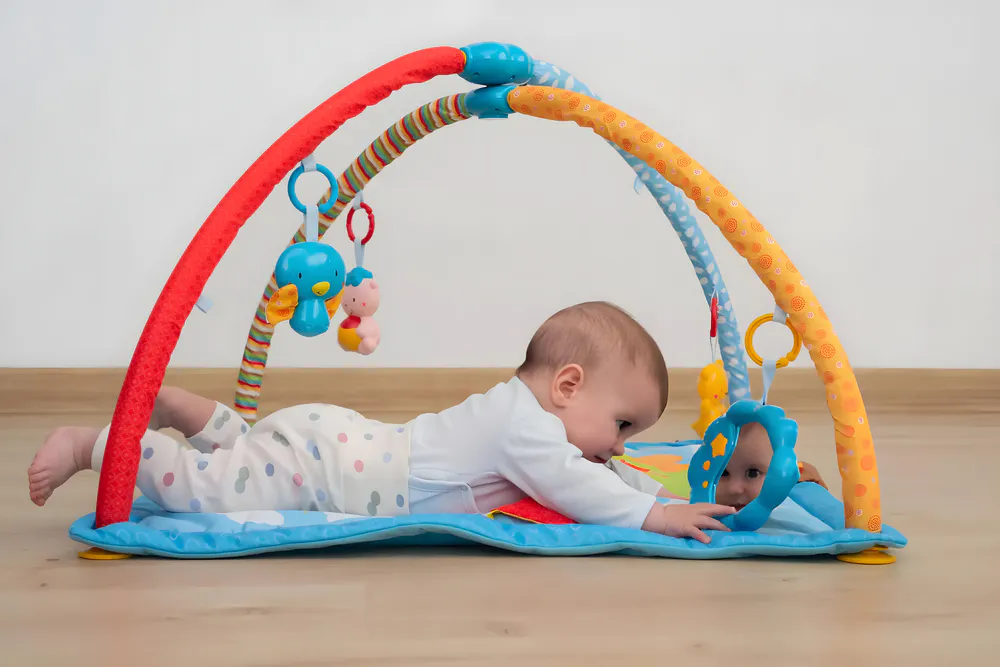
Baby gym mirrors are often placed near the mat surface to encourage tummy-time interaction, visual tracking, and self-recognition. Because babies may reach, press, or touch the mirror directly, the mirror material needs to be chosen with safety in mind. We can produce custom-shaped PETG mirror inserts for baby gyms and activity mats, helping brands create mirror parts that are both visually engaging and better suited for baby-safe product design.
Why Are Plastic Mirror Insert Recommended For Baby Mirrors?
Suppleness
The PETG material used for the mirror is flexible and can handle a wider range of usage scenarios.
Safety
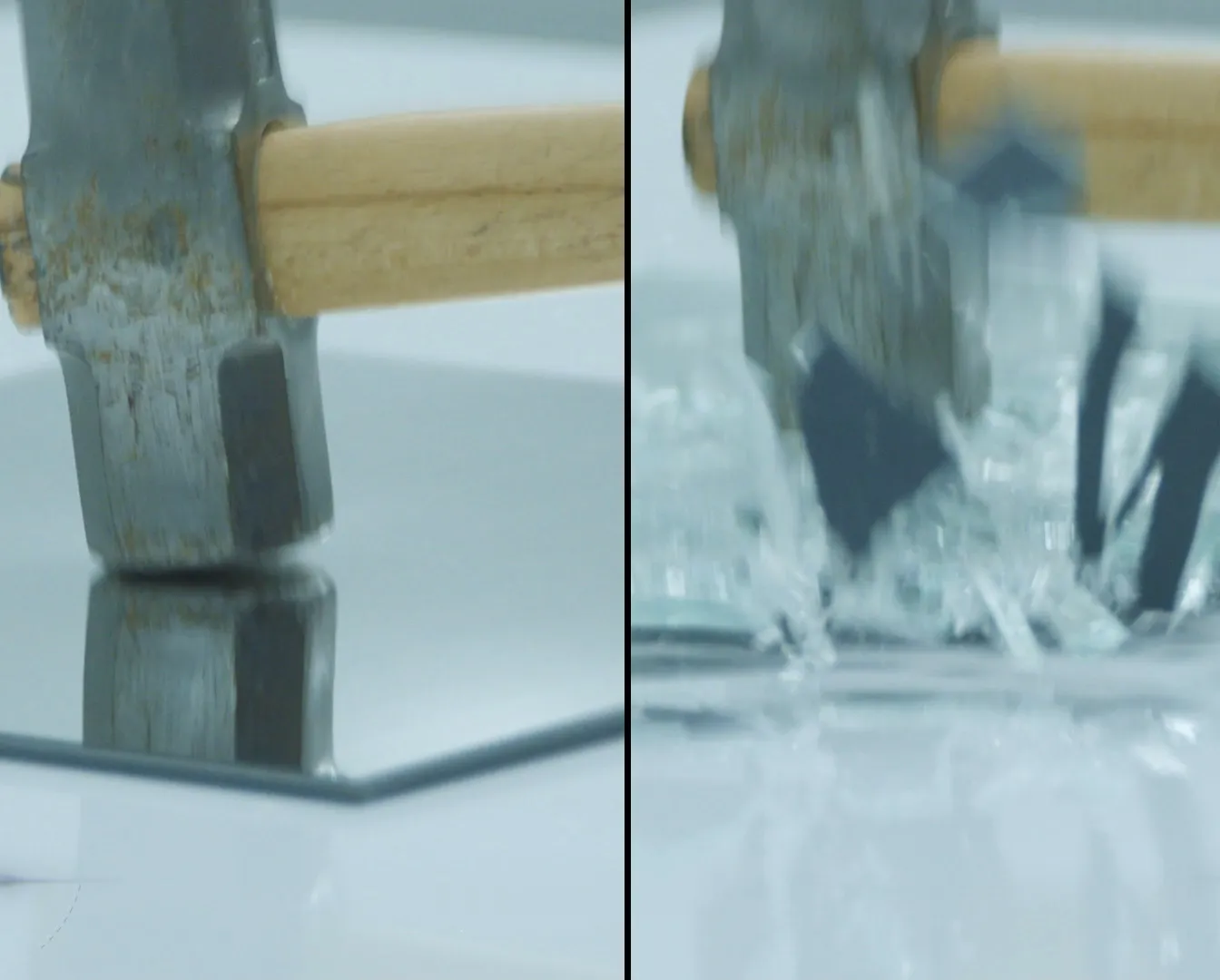
PETG plastic mirrors are less prone to breakage, which can prevent scratching a baby's skin.
Impact-Resistant
PETG plastic mirrors are less prone to shattering into hazardous sharp pieces upon impact.
More-Custom
More possibilities emerge in material processing, satisfying a wider range of product designs.
What Can We Do?
Baby mirrors often need smaller formats, rounded corners, and child-friendly shapes for safer everyday use. We can customize PETG mirror sheets or processed mirror parts in different sizes for rattles, activity panels and other early-learning products.
PETG is a practical material choice because it offers good toughness, lighter weight, and better impact resistance than more brittle mirror options. We can recommend the right PETG mirror thickness and processing solution.
Materials Choosing Guide & FAQs
| Comparison Item | PMMA | PC | PS | PETG (Recommended) |
|---|---|---|---|---|
| Child Safety Priority | Safer than glass and suitable for general mirror inserts with good visual appeal | Very strong and impact-resistant, making it suitable for active play environments | Usable for low-cost mirrors, but better for lighter-duty products | Better choice for baby mirrors thanks to good toughness, safer handling, and child-friendly application value |
| Mirror Effect | Offers bright and clear reflection for baby activity boards and sensory mirrors | Provides good reflection with stronger durability, though usually less crisp than PMMA | Suitable for basic reflective play where premium clarity is not the first concern | Delivers balanced reflection for baby-safe mirrors and practical daily interaction |
| Impact Resistance | Good for standard indoor use and safer than glass alternatives | Best choice when drop resistance and rough handling are major concerns | Lower impact resistance, better for simple and lower-stress applications | Good toughness for repeated baby use, touch, and movement in everyday play settings |
| Weight Advantage | Lightweight and easy to integrate into baby books, and play panels | Lightweight with added strength products that need extra durability | Very lightweight and easy to use in economical mirror components | Lightweight and practical for baby mirrors that need both safety and flexible product design |
| Cost Level | Medium | High | Low | Medium |
| Main Limitation | Surface can scratch more easily, so protection during toy use and cleaning is important | Higher cost and mirror sharpness is usually slightly lower than PMMA | Lower durability and lower safety confidence for repeated baby-use scenarios | Mirror precision may not be as sharp as PMMA in close-view reflective play |
| Potential Problems | Frequent rubbing, contact, or improper cleaning may affect surface appearance over time | Higher material cost can reduce competitiveness for large-volume baby programs | May show performance limits in products requiring stronger durability, better feel, or longer service life | May not deliver the crispest reflection, but it offers a better safety-oriented balance for baby mirror applications |

Q: Are baby mirrors safe for infants?
A: This is the primary objective for this type of product. Safety carries significant weight in these mirrors, so the selection of materials is very important. Look for a shatterproof or unbreakable mirror, rounded edges, non-toxic materials, and a design without hazardous points or rough edges. Supervised play is still important, especially for younger babies.
Q: Can I use a regular household mirror instead of a baby mirror?
A: It is better to use a baby-safe mirror. Baby products are usually designed to be unbreakable or shatterproof and are made with infant safety in mind, while a regular glass mirror is not intended for mouthing, dropping, or floor play.
Q: What are baby mirror good for?
A: They are mainly used to encourage visual attention, sensory exploration, and social interaction. During play, babies often watch faces, track movement, reach toward the reflection, and begin linking facial expressions and sounds with what they see.
Q: Can a baby sleep with a mirror in the crib?
A: It is not recommended to do this; there should not be mirrors in the place where the baby sleeps.
Still Have Questions?
Not Sure If This Meets Your Business Need?
Tell us your needs, and we’ll recommend a solution for you!
Email: Helen@pmma.hk / Nora@pmma.hk / Anna@pmma.hk
Phone: +86 18028261735
Whatsapp: +86 18573571322