Explore Our 2-Way Mirror Series

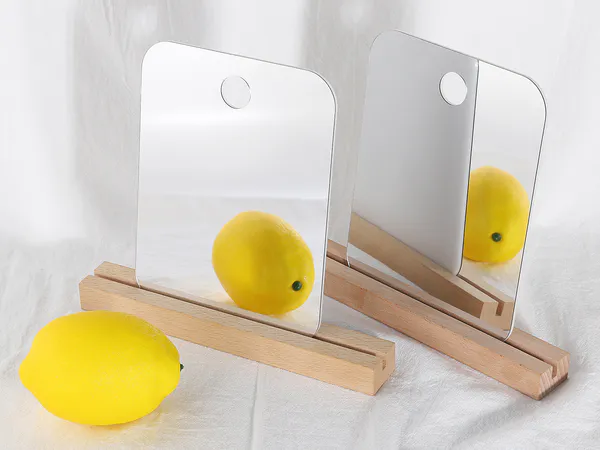
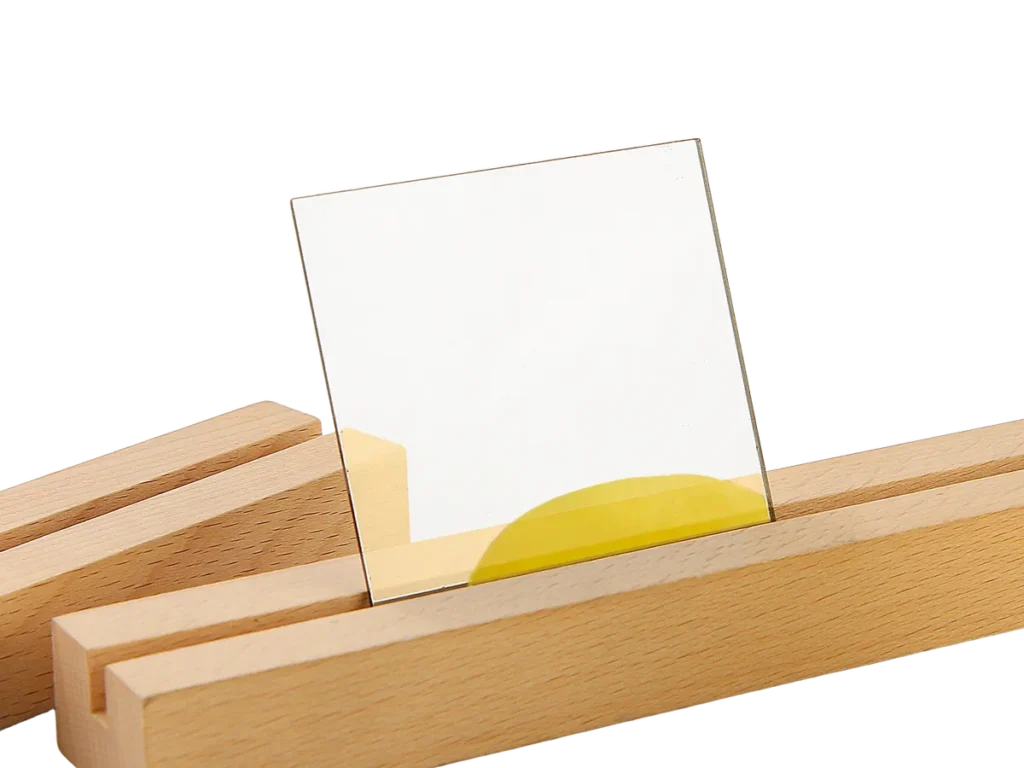
Two-Way Mirror Sheet

Acrylic two-way mirror sheet with customizable light transmission, optional materials and thicknesses, suitable for display, decorative, and project use.

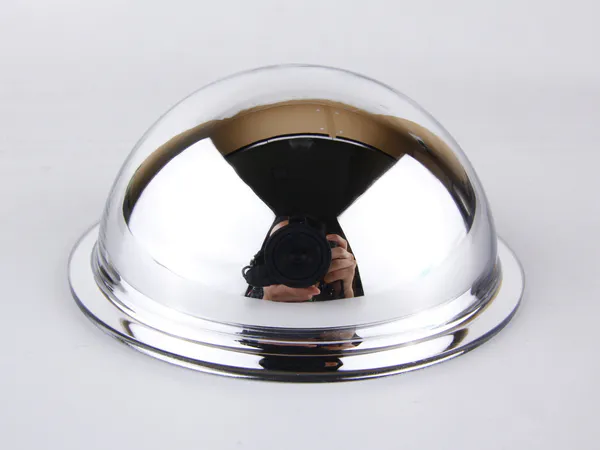
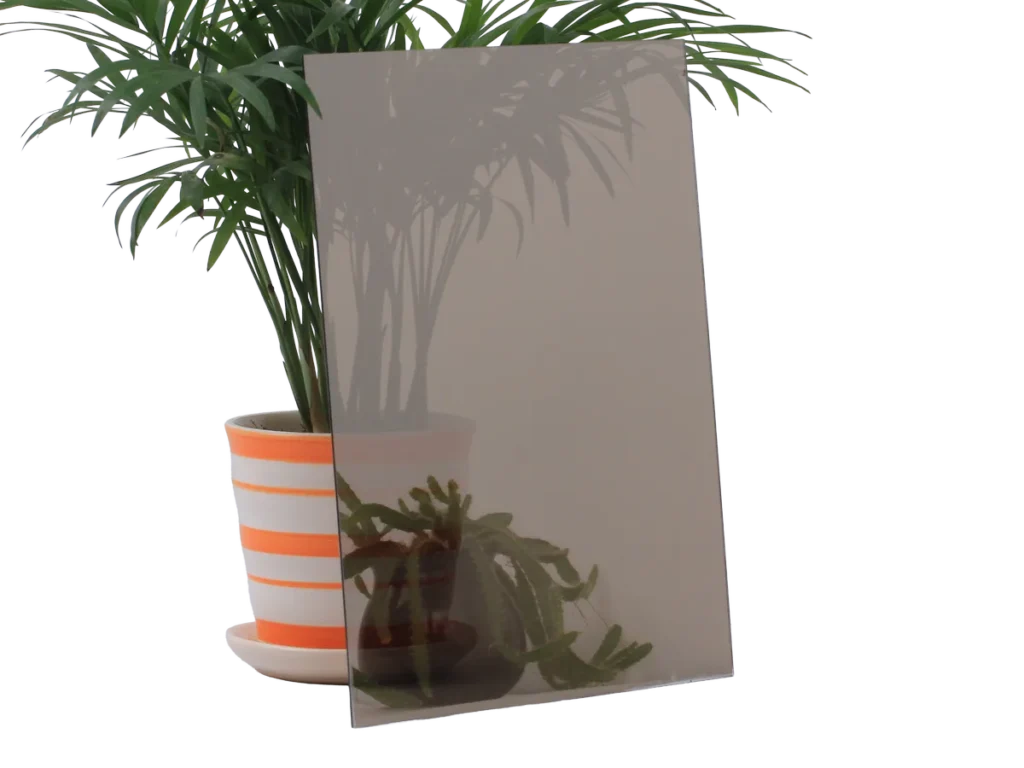
Colored Two Way Mirror

Colored two-way acrylic mirror with controlled light transmission and tinted reflective effect for decorative, display, and custom project use.

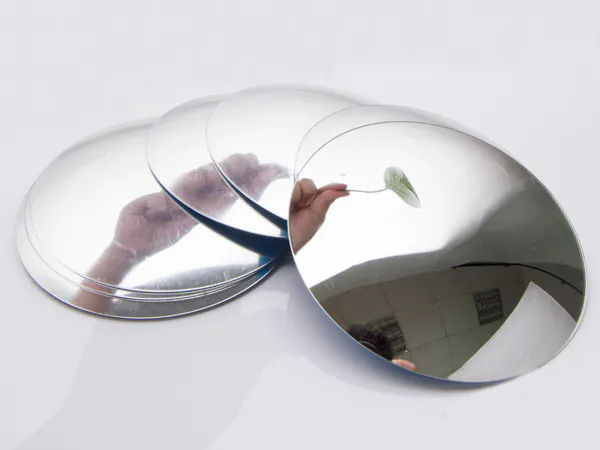
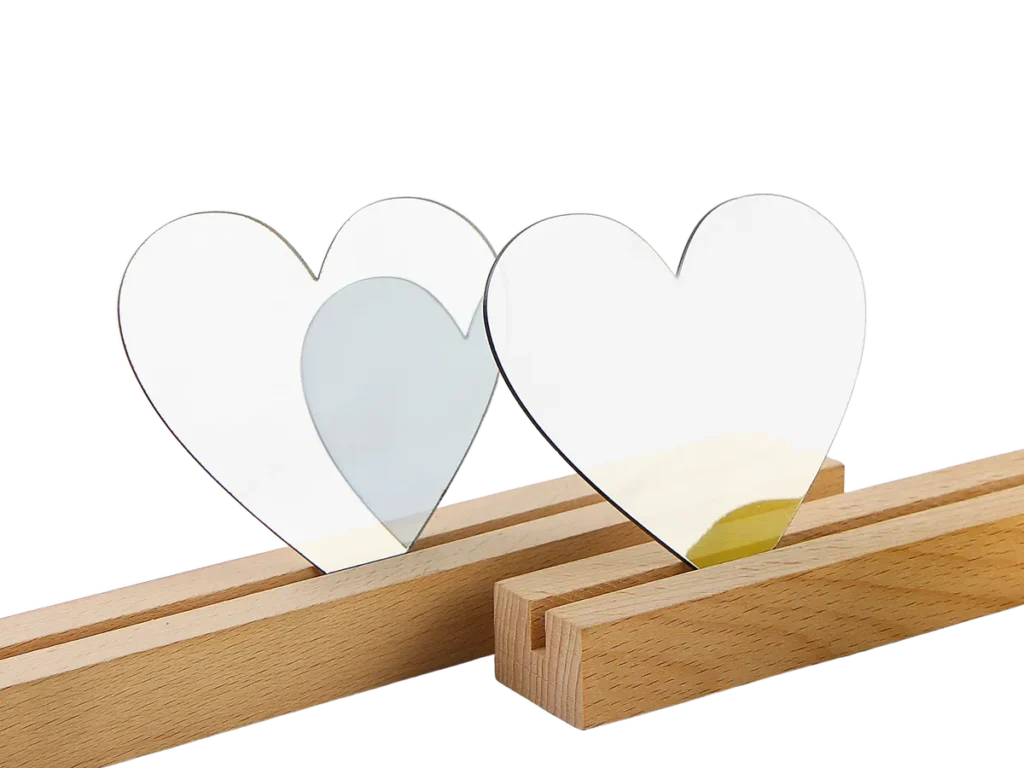
Shaped Two Way Mirror

Custom shaped two-way mirror with controlled light transmission for decorative panels, branded displays, and project-specific applications.

4 Material Options

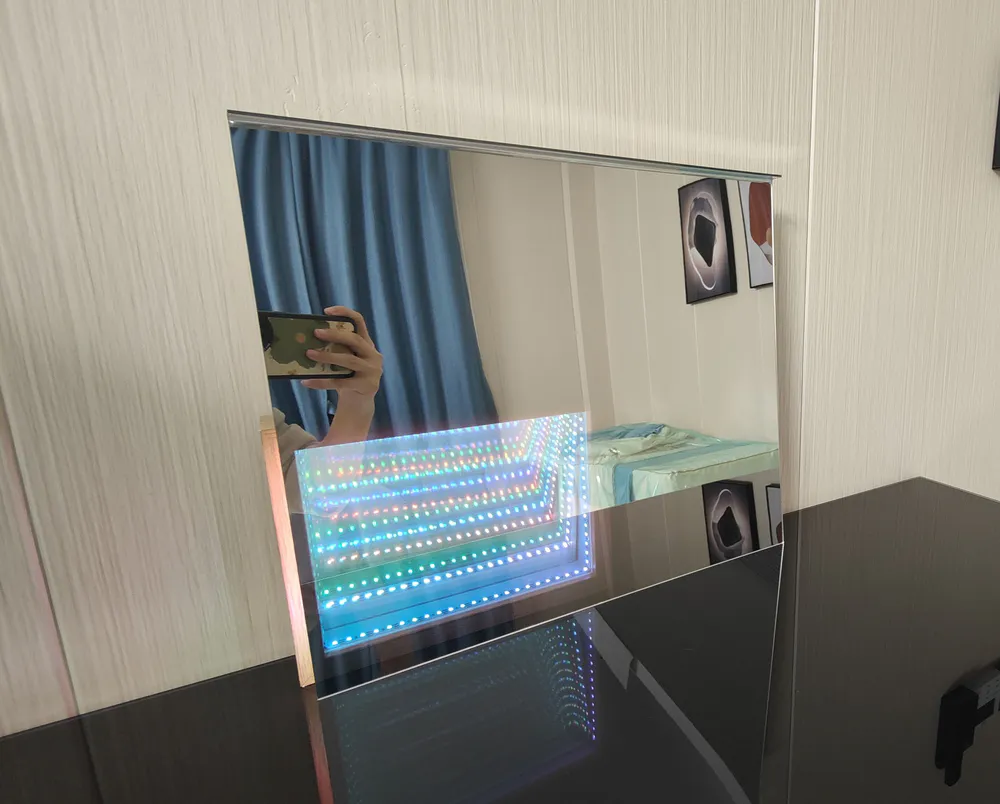
An acrylic two-way mirror is placed in front of the thousand-layer mirror light box

PMMA

Most common substrate for two-way mirrors. Transmits 5–30% of incident light while reflecting the rest — the bright side appears as a mirror, the darker side remains see-through. Partially metallized on one side with no opaque backing.
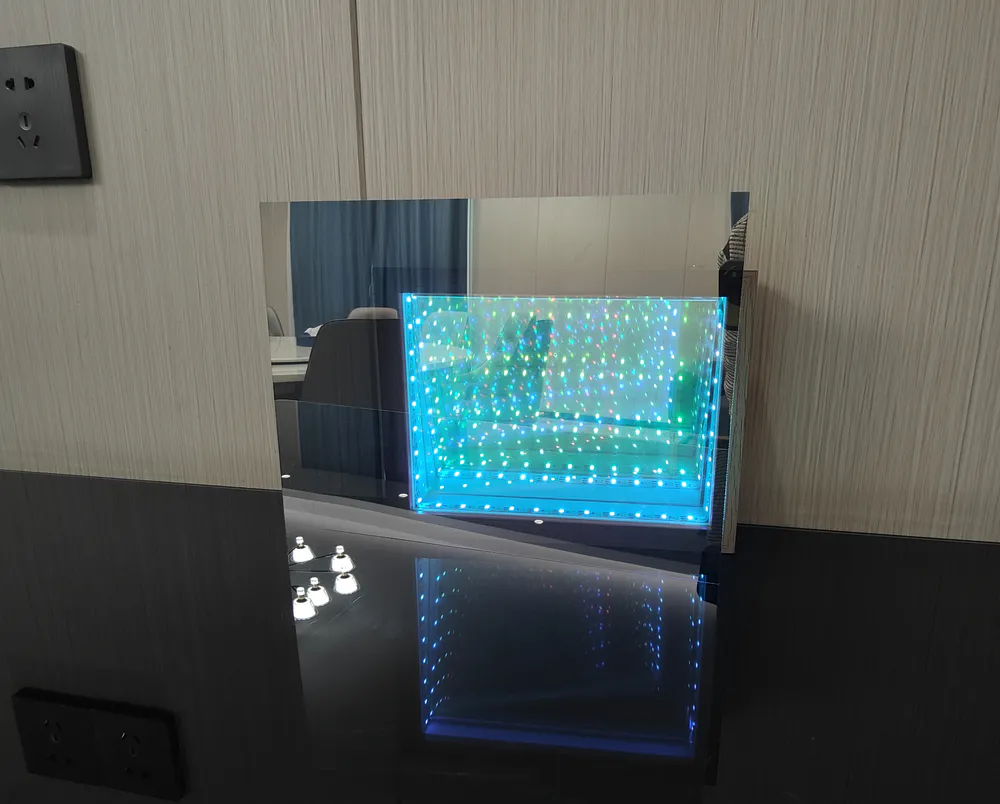
A PC two-way mirror is placed in front of the thousand-layer mirror light box

PC

Available as a two-way see-thru mirror for theatrical, and special use applications, transmits a percentage of light while reflecting the remainder. Offers better strength, security, and flame resistance than PETG mirror.
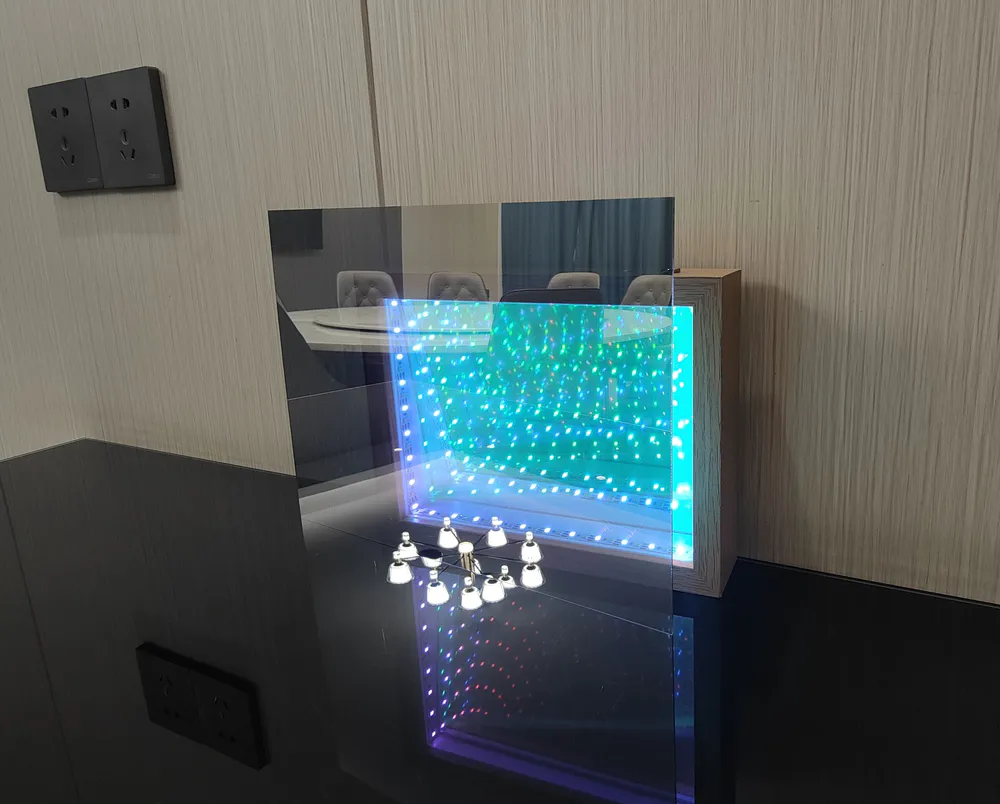
A PS two-way mirror is placed in front of the thousand-layer mirror light box

PS

High transparency (second only to acrylic in light transmittance), but impact resistance, weather resistance, and aging resistance are inferior to acrylic. More brittle with a lower heat tolerance. Lower cost and easy to fabricate.
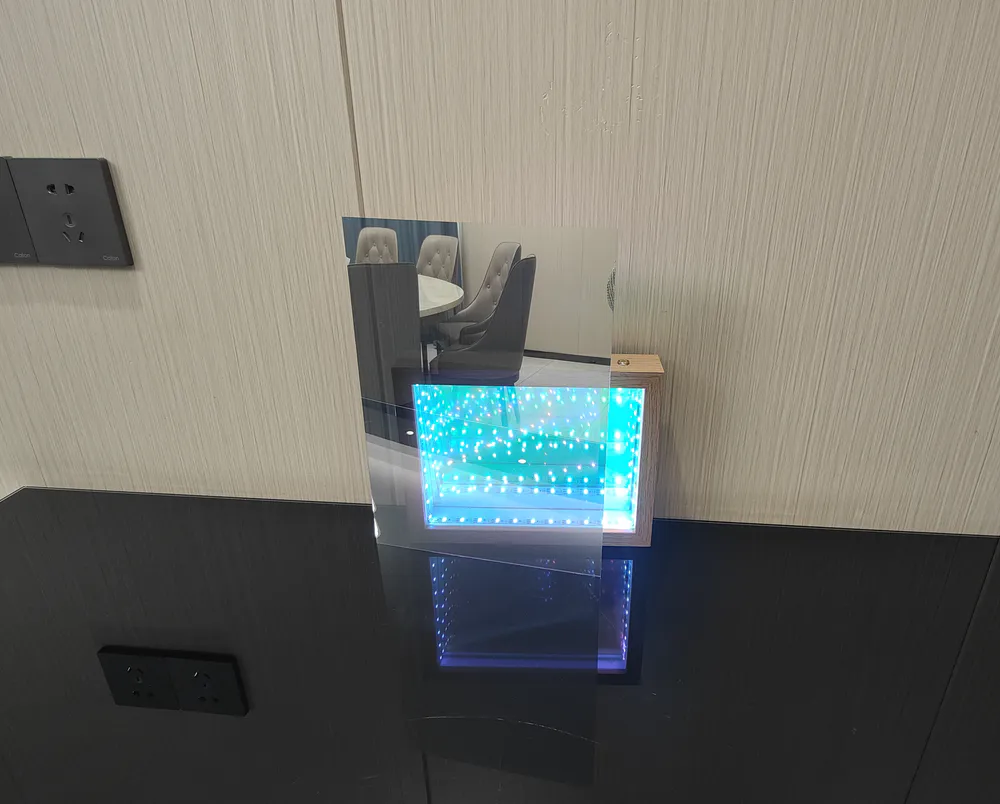
A PETG two-way mirror is placed in front of the thousand-layer mirror light box

PETG

Lightweight and flexible, impact resistant, and stronger than glass. Offers superior clarity, surface gloss retention, no stress whitening, and accepts ink and paint. Easily thermoformed into complex shapes; good design flexibility.
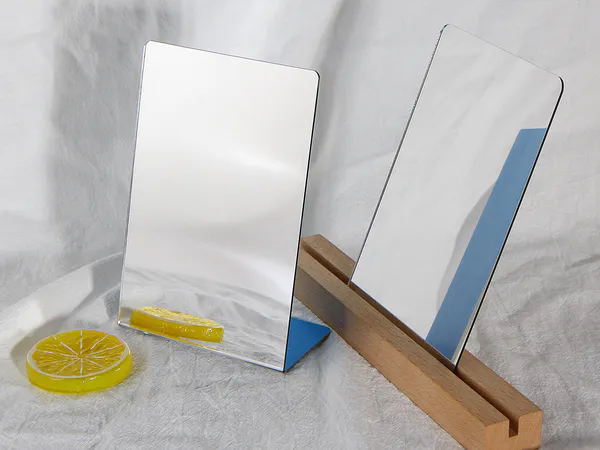
Two-Way Mirror Custom Solutions

Dimensions

Offer custom-cut mirror piece in any size and thickness you require.

Screen Printing

Any design can be printed onto the mirror surface (need files).

Laser Cutting

Available in custom shapes. But PS material not applicable.

Optical Coating

The mirror can be hardened, coated, or treated to prevent fogging.

Light Transmitt

Light transmittance is customizable, ranging from 5% to 50%.

Delivery Process

Step 1

Contact Sales

Contact our international sales team.

Step 2

Submit Files

Please send us the documents for review.

Step 3

Confirm Plan

Discuss and finalize the plan.

Step 4

Production

The factory schedules production.

Step 5

Inspection & Shipping

Quality Inspection and Shipping.

Typical Applications

Infinite Mirror
Advertise Sign
Decorative Lights
Gift Lighting
Cube Mirror
Panel Accessories
Teleprompter

FAQ

Q: Are two-way mirrors, one-way mirrors, and translucent mirrors the same thing?

A: In commercial products and common FAQs, these terms generally refer to the same category of products; the differences lie primarily in specific materials, transmittance, reflectance, and applications.

A: Yes, but it depends on the material. Regular glass can be cut using standard methods, but once it’s tempered, it can no longer be cut; acrylic is easier to work with and is more suitable for both standard drilling and custom-shaped cutting.

A: The safest approach is to view a sample first. Many suppliers recommend purchasing a small sample to test the reflection, transparency, and display quality under actual lighting conditions, with a real back panel and screen.

Q: Why can a two-way mirror both "reflect" and "transmit" light at the same time?

A: The key lies in the semi-transparent, semi-reflective coating, combined with the difference in brightness on either side. The brighter side acts more like a mirror, while the darker side allows you to see through it more easily; if the brightness on both sides is similar, the mirror effect is significantly reduced.

A: Yes, many suppliers offer custom sizes, and projects using large slabs are quite common. However, the larger the size, the more important it is to consider thickness, flatness, shipping methods, and installation structures all at the same time.

A: Generally speaking, glass is flatter and more scratch-resistant, while acrylic is lighter, more impact-resistant, and easier to cut, drill, and transport. For projects requiring lightweight materials, custom shapes, or post-processing, acrylic is often the more practical choice.

Still Have Questions? Not Sure Which Mirror Fits Your Project?

Tell us your required material, size, thickness, color, or processing needs, and we’ll recommend the right option for your application.

Additional information helps us contact you more efficiently.