
Acrylic mirror (also known as PMMA mirror or mirror acrylic sheet) is a lightweight, shatter-resistant alternative to glass mirror. It’s widely used in retail displays, signage, interior decoration, and functional applications such as half-transparent (two-way) acrylic mirror and anti-fog acrylic mirror.
This article explains what acrylic mirror is, why it’s popular, and how to choose the right type for different applications—based on three real product examples.
What Is an Acrylic Mirror?
An acrylic mirror is made from an acrylic (PMMA) sheet with a reflective layer applied to one side, often with a protective backing and a surface protection film. Compared with glass, acrylic mirror is easier to handle, easier to fabricate into custom shapes, and typically safer in impact-risk environments.
Key Benefits of Acrylic Mirror
- Lightweight: easier shipping and installation than glass mirror
- Safer: lower risk of dangerous shattering
- Flexible fabrication: cutting, drilling, CNC, and other processing options (process-dependent)
- Design variety: clear mirror, colored mirror, two-way mirror acrylic, and anti-fog acrylic mirror
Typical Acrylic Mirror Sheet Structure
Most mirror acrylic sheets include:
- PMMA (acrylic) base
- Reflective coating
- Protective backing
- Surface protection film (peel-off)
Acrylic Mirror Types (3 Product Examples)
Large Colored Flat Acrylic Mirror Sheet (2440 × 1220 mm)
Large-format colored acrylic mirror sheets are commonly used for decorative walls, showroom panels, branding surfaces, and display backdrops—especially when glass would be too heavy or fragile.
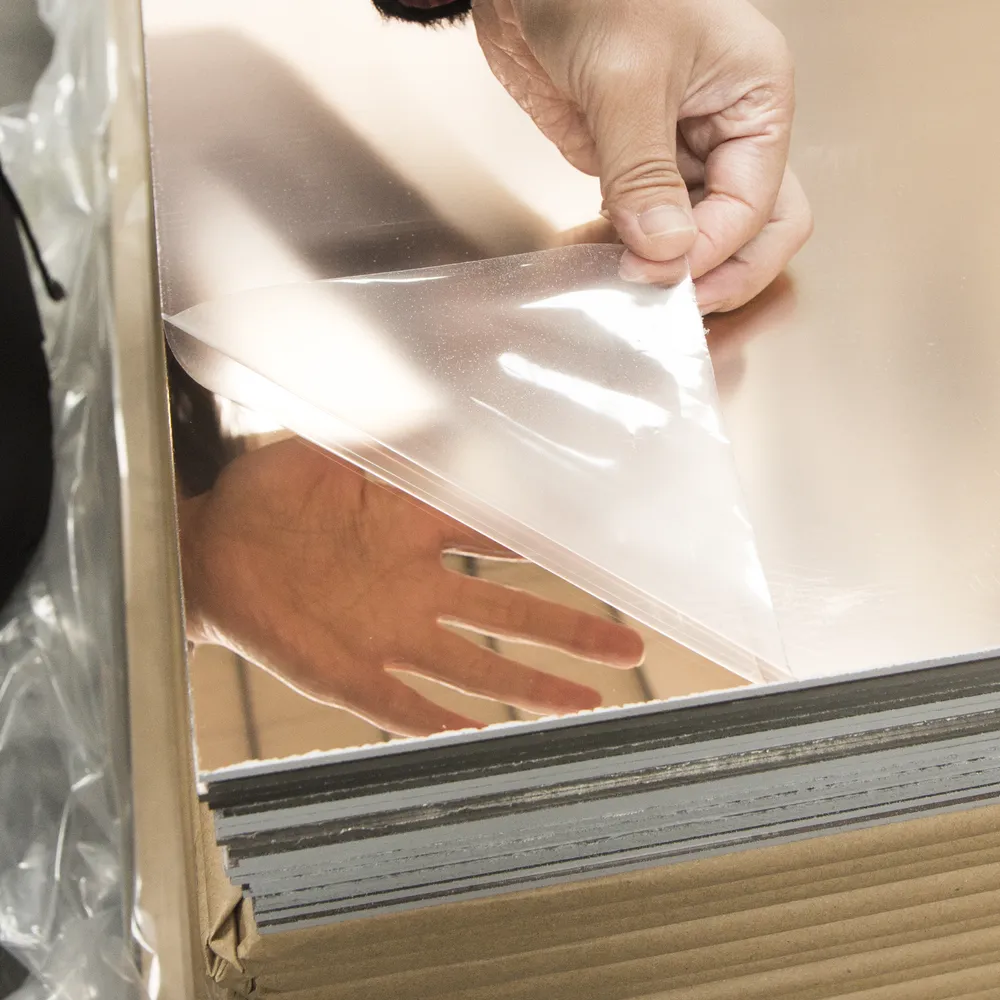
Selection tips for large acrylic mirror sheets:
- Choose the color tone (silver, gold, smoke/grey, tinted options)
- Confirm the size and thickness needed for stiffness and flatness
- For multi-sheet projects, request batch consistency to reduce color variation
Half-Transparent Acrylic Mirror (Two-Way Mirror)
A half-transparent acrylic mirror is often described as a two-way mirror acrylic (sometimes called one-way mirror in commercial projects). It can reflect like a mirror while still allowing partial light transmission, depending on lighting conditions.
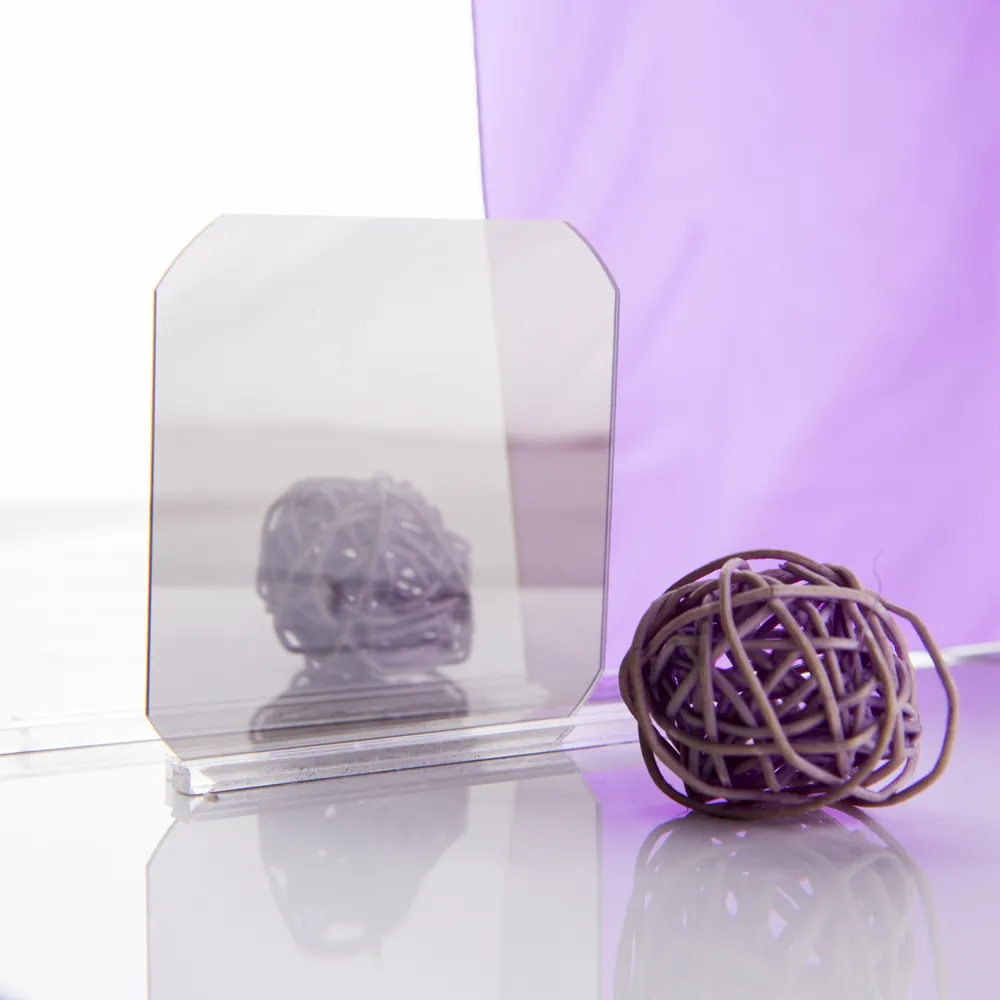
How the Two-Way Acrylic Mirror Effect Works
The “two-way” effect relies on lighting contrast:
- The brighter side appears more reflective.
- The darker side allows more visibility through the sheet.
Common uses of two-way acrylic mirror:
- Decorative partitions and premium displays
- Interactive showcases and smart display covers
- Observation-style visual separation (requires lighting design)
Anti-Fog Acrylic Mirror
An anti-fog acrylic mirror is designed to reduce fogging caused by humidity and temperature differences. It’s a practical upgrade for humid environments where normal acrylic mirror may mist up and lose clarity.
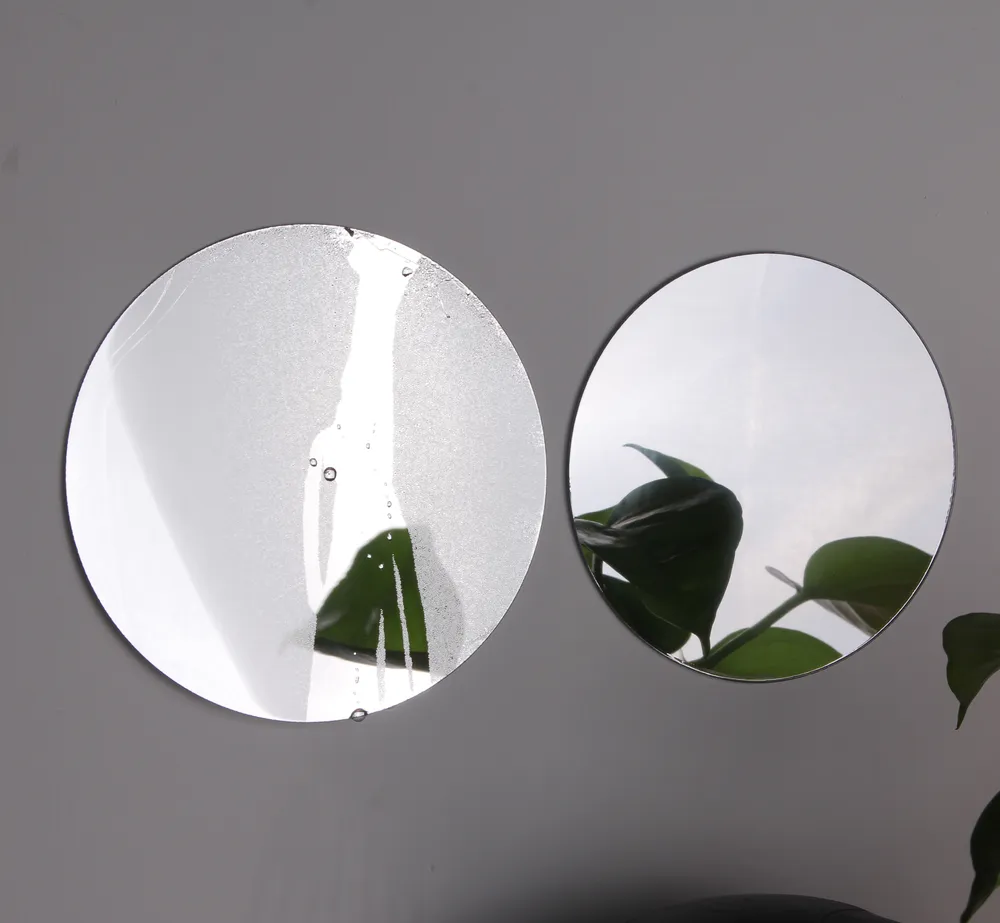
Typical applications for anti-fog acrylic mirror:
- Bathroom products and vanity components
- Hospitality projects (hotels, rentals)
- Humid display zones or protected panels
How to Choose the Right Acrylic Mirror for Your Application
Match the Acrylic Mirror to the Environment
- Standard indoor decoration / display: colored or silver acrylic mirror sheet
- Humid environments: anti-fog acrylic mirror recommended
- Public or high-traffic spaces: acrylic mirror can improve safety vs. glass
Set Clear Expectations for Reflection Quality
Acrylic mirror can look highly reflective, but real-world appearance depends on:
- Sheet thickness and rigidity
- Mounting surface flatness
- Surface handling and scratch control
For premium projects, discuss flatness requirements, recommended thickness, and installation method.
Consider Fabrication and Handling
To keep acrylic mirror sheets clean and scratch-free:
- Keep protection film on as long as possible
- Use clean worktables and soft gloves
- Avoid dragging sheets across surfaces
- Plan edge finishing if the product will be touched frequently
Popular Acrylic Mirror Applications
Retail & Visual Merchandising
- Display panels, props, and backdrops
- Product risers and branded showcases
Interior Decoration
- Feature walls and design trims
- Furniture inserts and decorative surfaces
Signage & POP Displays
- Logo shapes, letters, layered signage
- Reflective elements for visual impact
Functional Products
- Two-way mirror acrylic for interactive concepts
- Anti-fog acrylic mirror for humid conditions
Installation & Care Tips for Acrylic Mirror Sheets
Installation Basics
- Mount on a flat backing to reduce distortion
- Use compatible tapes/adhesives designed for acrylic
- Leave tolerance for thermal expansion on large sheets
Cleaning
- Avoid strong solvents unless confirmed safe for PMMA
- Use microfiber cloth + mild soap/water
- Avoid abrasive cleaners and rough towels