Explore Our Curved Mirror Series

Convex Mirror

Plastic convex mirror, supports circular or rectangular, provides material, diameter and thickness selection.

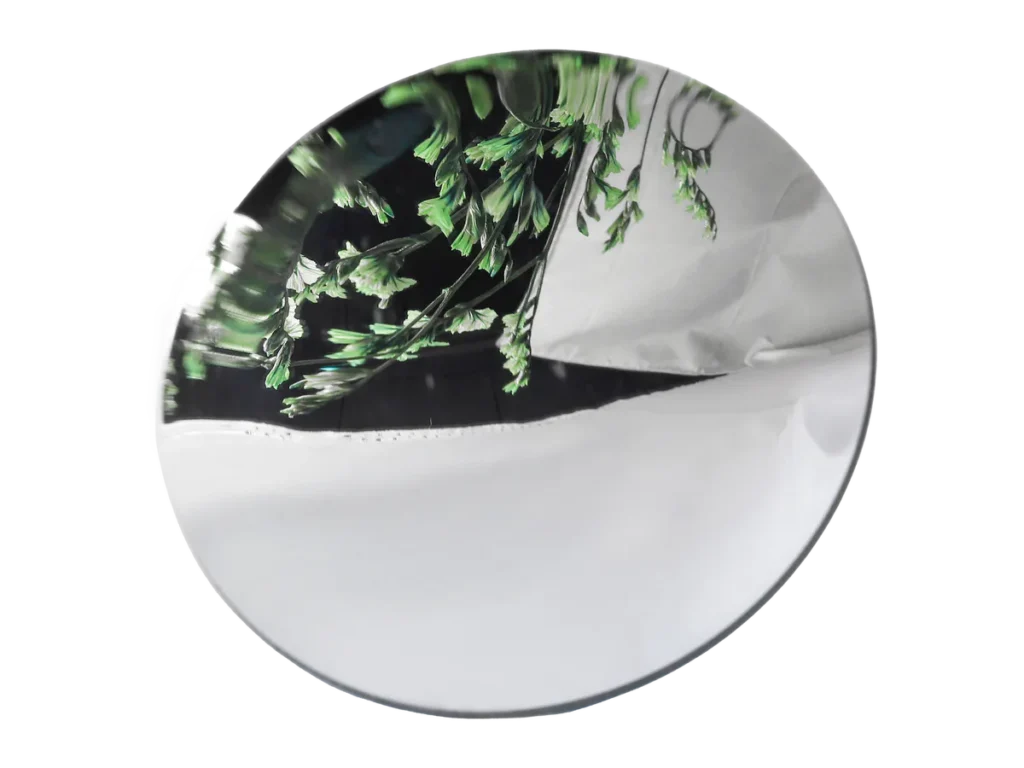
Concave Mirror

Plastic concave mirror, customized curvature provided. Material, diameter, and thickness options provided.

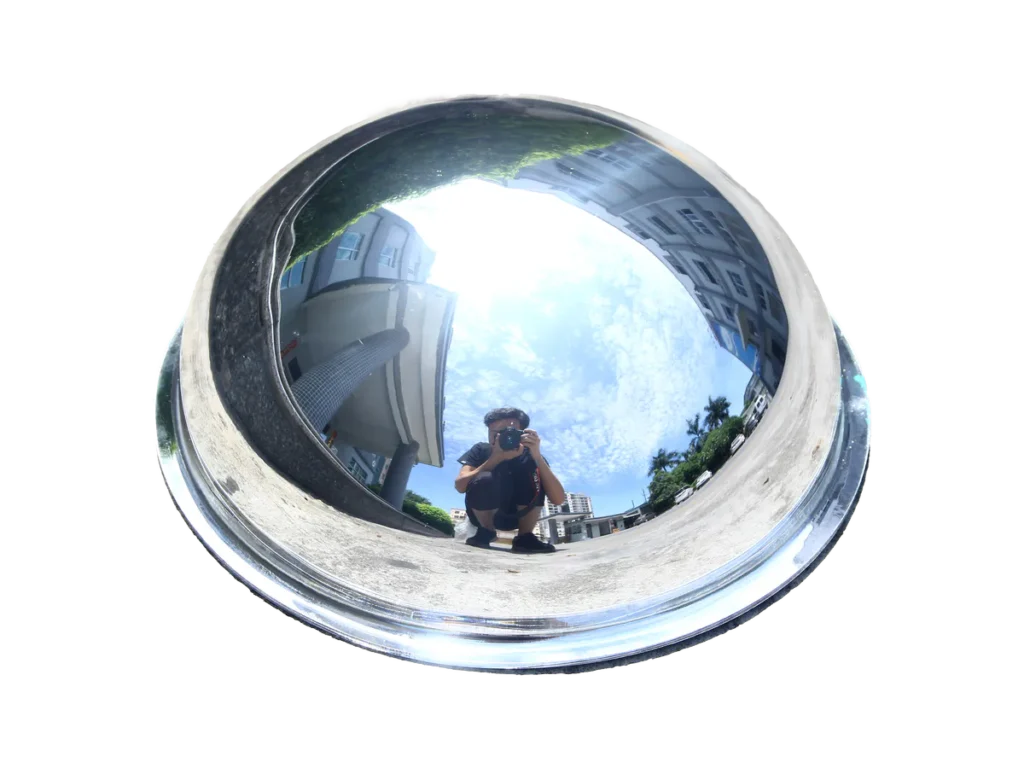
Dome Mirror

Plastic dome mirror, supports up to one-eighth dome. Provides options for material, diameter, and thickness.

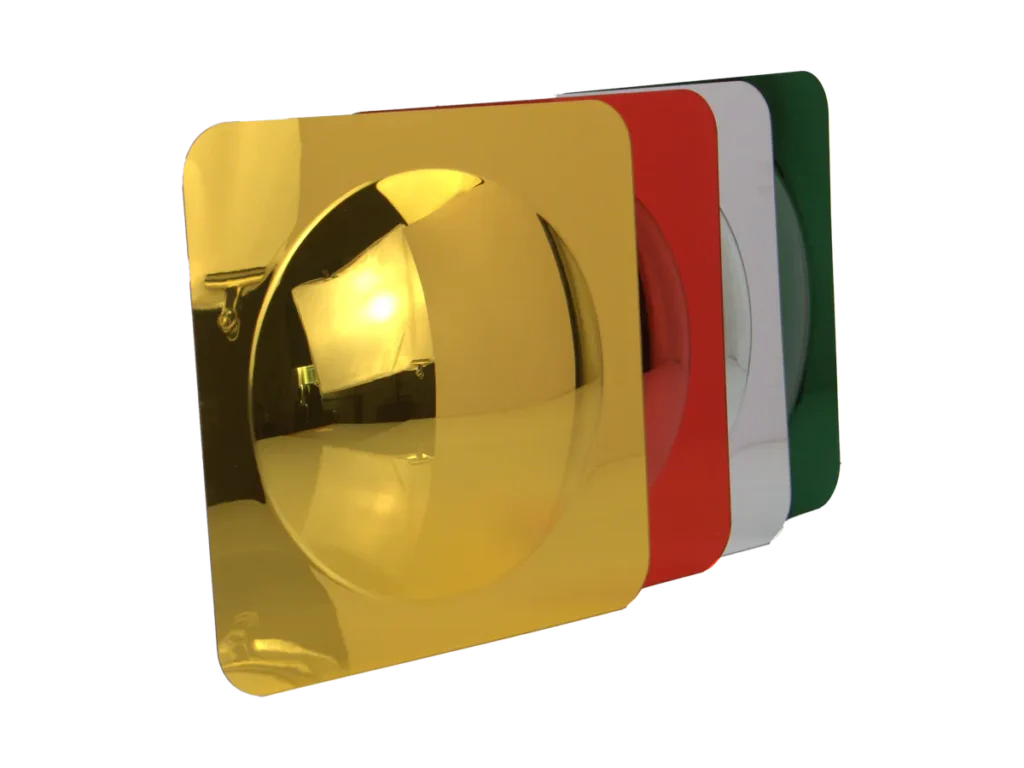
Colored Convex Mirror

Colored convex mirror, multiple colors available, material, diameter, and thickness can be customized.

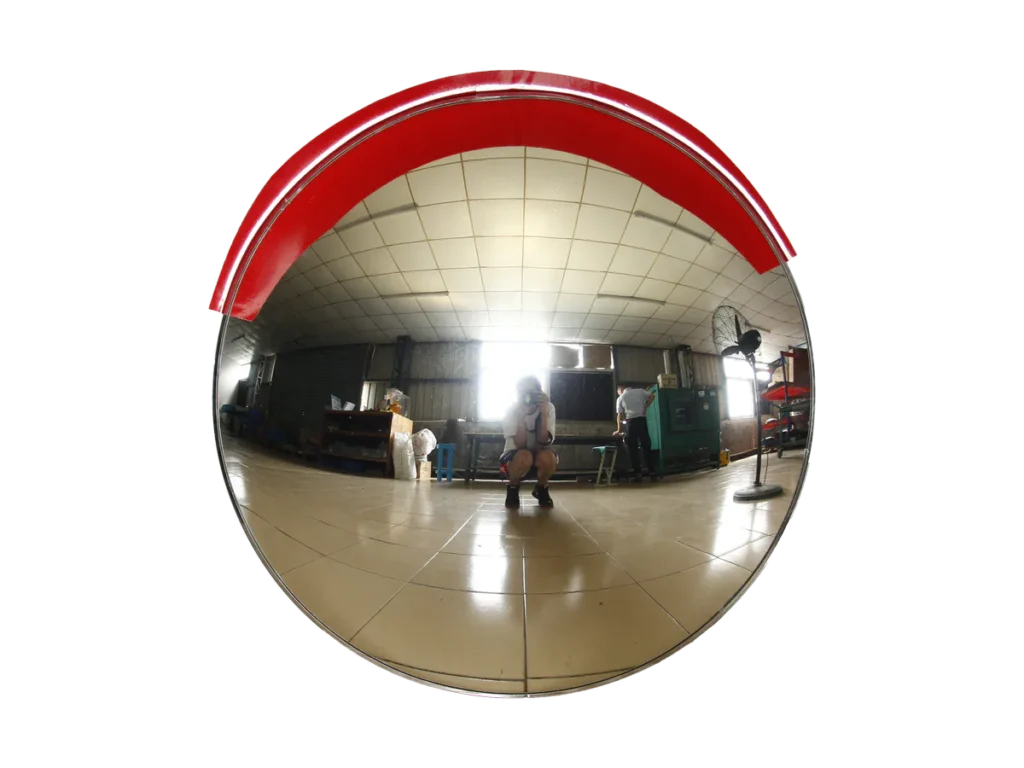
Traffic Convex Mirror

Finished traffic mirror, with accessories. Materials, diameter, and thickness can be customized.

Bubble Mirror

Wall sticker bubble mirror, available as single pieces and in sets of four. Customizable thickness and color.

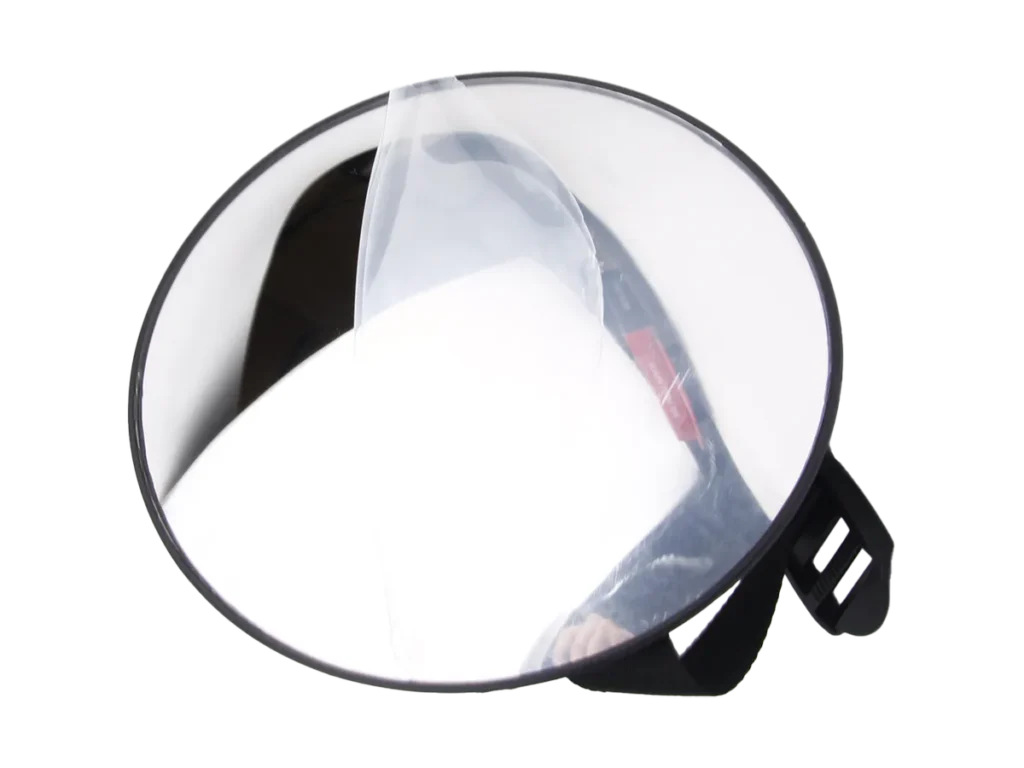
Car Seat Baby Mirror

Car seat baby convex mirror finished product, divided into round and rectangular types. Standard size.

3 Material Options

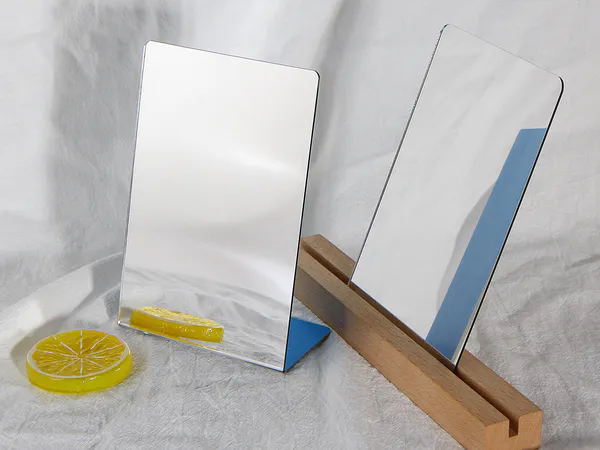
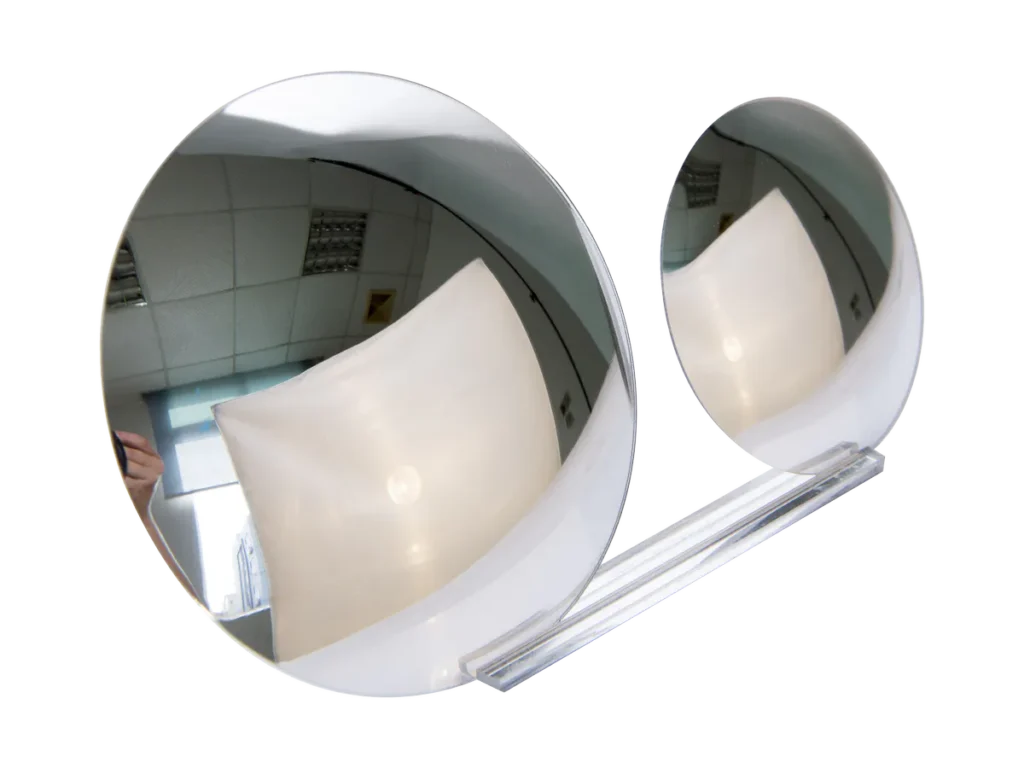
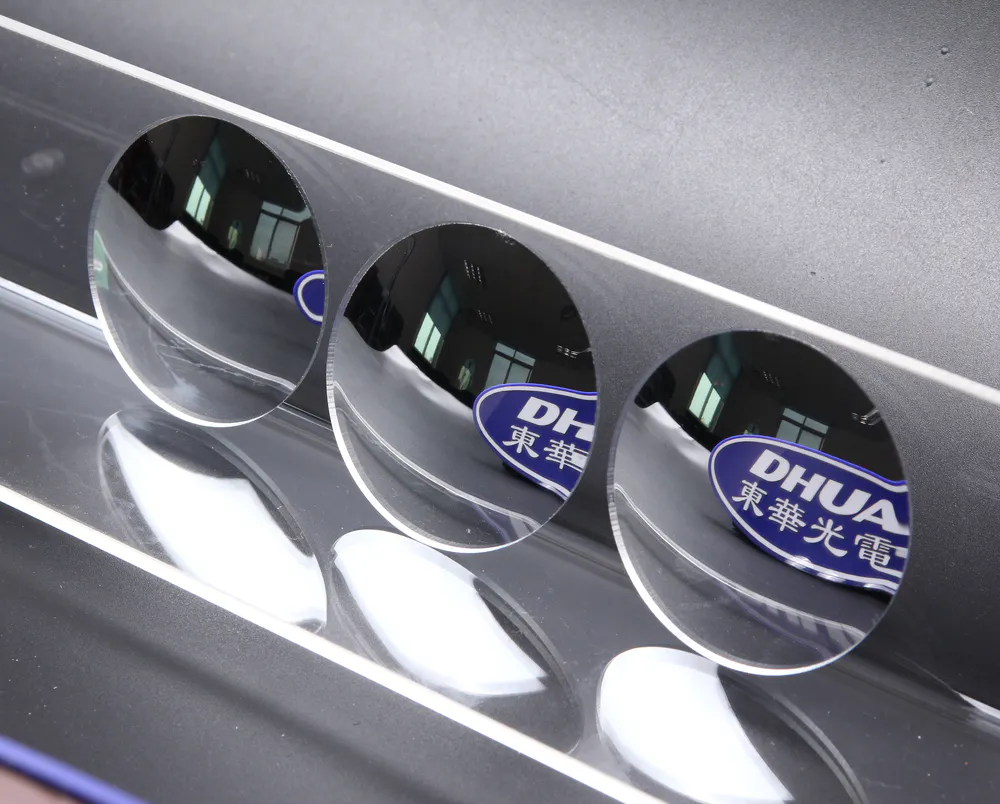
Three circular convex mirrors made of PMMA

PMMA

Highest optical clarity (~92% light transmission) for sharp, distortion-free reflection. Smooth surface finish ideal for mirror-grade forming. Lightweight, easy to thermoform into curved shapes, and the good cost option — the industry standard.
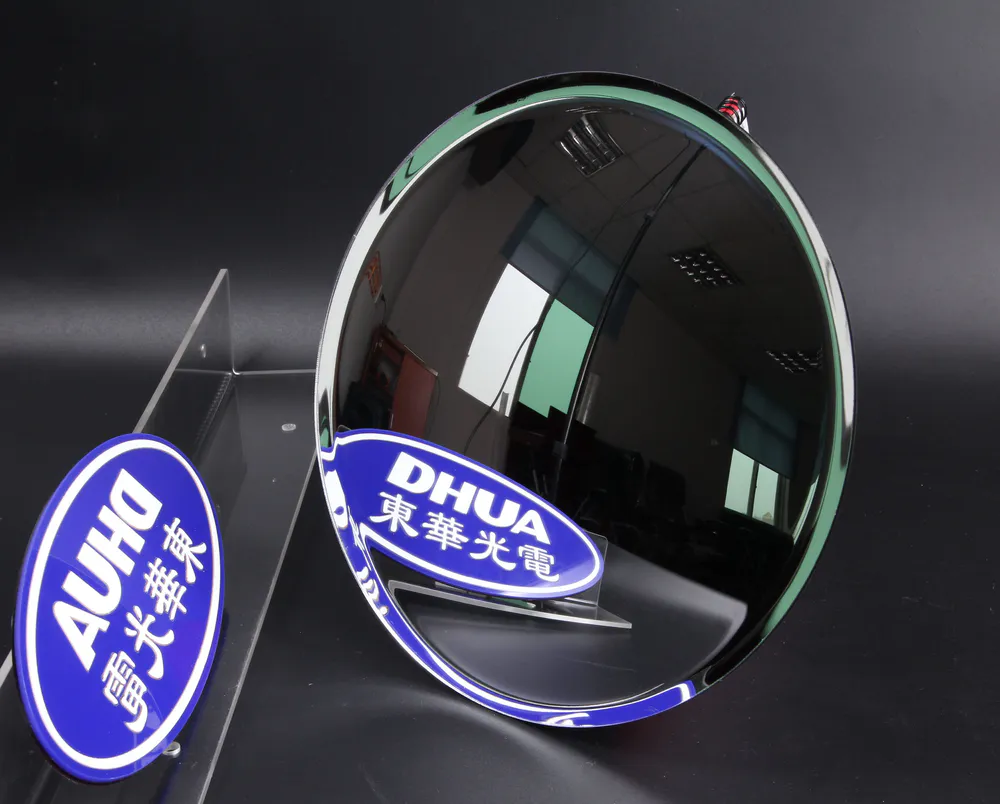
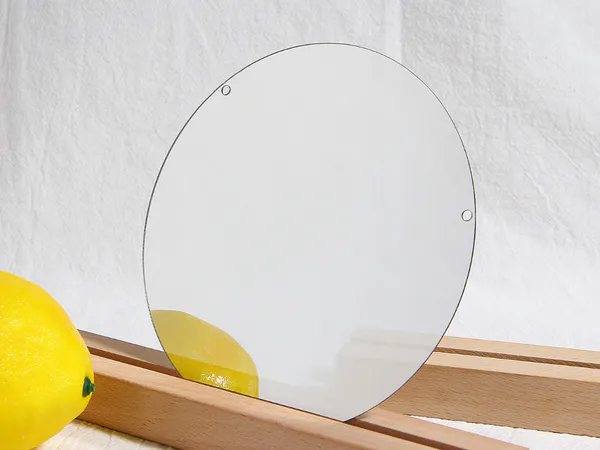
Circular PC convex mirror with edge-polishing

PC

Virtually unbreakable impact resistance — preferred for outdoor security and dome mirrors in high-traffic areas. Excellent heat resistance maintains mirror shape under direct sunlight. Slightly lower clarity than PMMA but far superior durability.
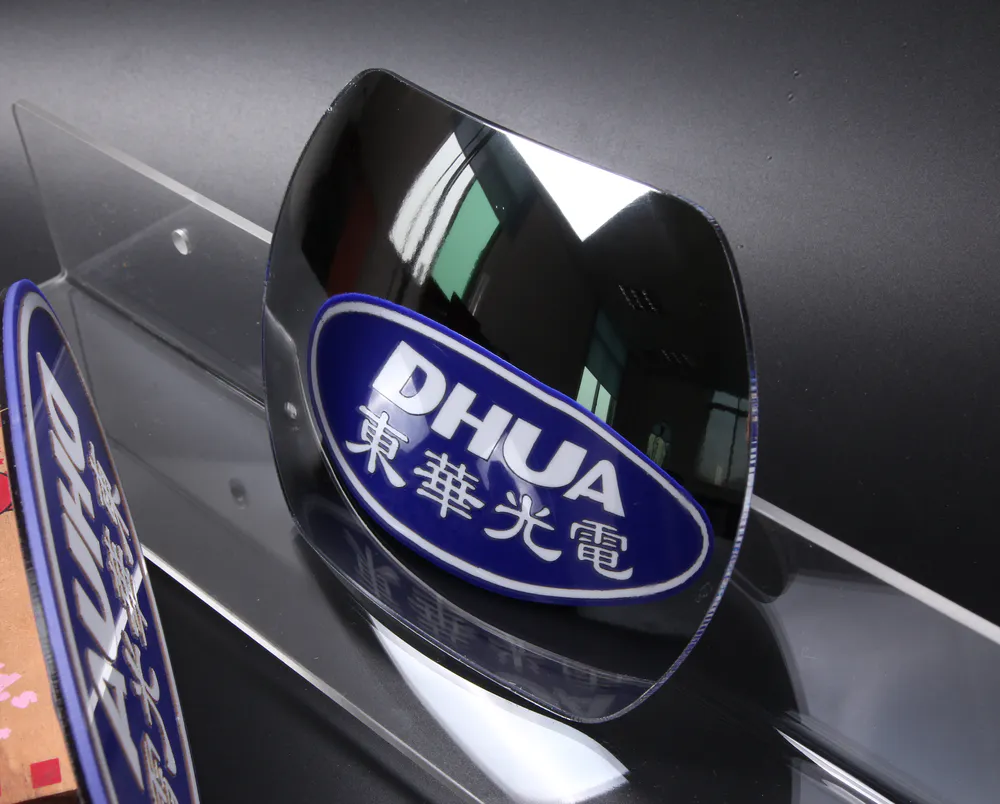
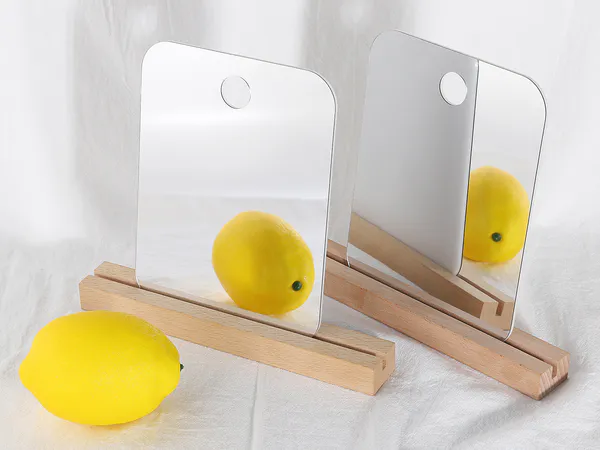
Rounded rectangle convex mirror made of PS material

PS

Lowest cost and easiest to vacuum-form into curved mirror shapes — suitable for indoor, low-impact applications. Adequate reflectivity for use. Brittle and sensitive to UV/chemicals, so not recommended for outdoor or safety-critical mirrors.
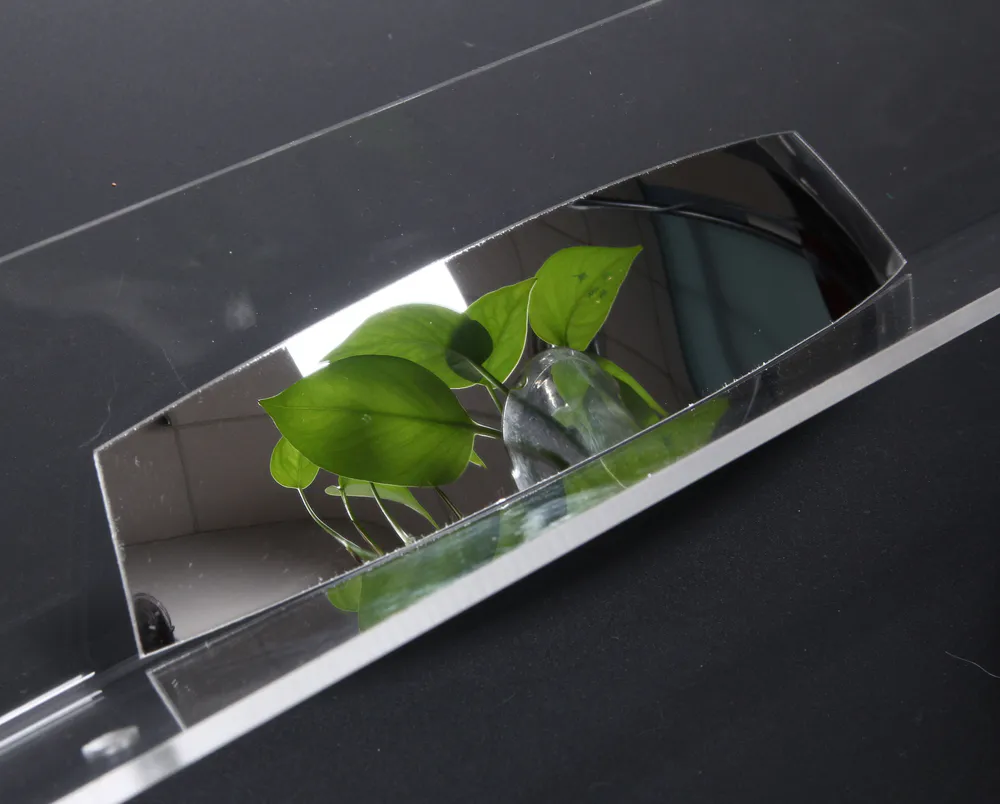
Rectangle convex mirror made of PETG material

PETG

PETG is rarely used in two-way mirrors as it lacks key performance. Optical clarity peaks near 90%, and thermoforming reduces surface quality. It yellows under UV and deforms near 70°C, so PMMA or PC are preferred. PETG is not commonly used.

Curved Mirror Customization Options

Radius Of Curvature

Adjust the reflective viewing angle dimension of the curved mirror based on your project requirements.

Diameter Size

Supports 100 – 1250 mm, meeting the curved mirror applications of various scenarios. Finished products can also be customized.

Surface Coating Treatment

Supports reflective coating treatment, scratch-resistant, and UV-resistant treatment. Enhanced outdoor use.

Edge Treatment

Supports edge banding, hemming treatment and hole pre-drilling treatment. Convenient for direct installation or use.

Printing

Custom prints can be printed; patterns and LOGOs can be printed. Multiple printing methods available for selection.

Backside Treatment

The back paint can be hardened, can be mixed into any color, can be integrally processed and can be printed.

Delivery Process

Step 1

Contact Sales

Contact our international sales team.

Step 2

Submit Files

Please send us the documents for review.

Step 3

Confirm Plan

Discuss and finalize the plan.

Step 4

Production

The factory schedules production.

Step 5

Inspection & Shipping

Quality Inspection and Shipping.

Typical Applications

Traffic Mirror
Rearview Mirror
Makeup Mirror
Forklift Rearview Mirror
Indoor Ceiling Mirror
Wall Decals
Ornaments

FAQ

Q: Why are Acrylic or Polycarbonate often used instead of glass for curved mirrors?

A: Compared with glass, plastic mirrors have significantly stronger impact resistance and are lighter in weight, and are much better than glass in terms of safety and operational convenience.

A: 360° (Full Dome): Typically used in central ceiling positions where multiple directions need to be observed. 180° (Half Dome): Suitable for areas like T-intersections or along walls where two directions are important. 90° (Quarter Dome): Commonly installed in corners to monitor intersecting pathways.

A: No. The image formed by a concave mirror changes with the distance of the object, and may produce different effects such as magnification, reduction, upright, or inverted images.

Q: What is the functional difference between convex and concave mirrors?

A: The main difference between convex mirrors and concave mirrors lies in the way they present images. Convex mirrors provide a wider field of view, while concave mirrors can magnify reflected objects at certain distances.

A: Yes, plastic mirrors, with the correct material selection, are more practical for outdoor use than glass mirrors. Considering the impacts caused by the outdoor environment, the advantages of plastic mirrors are even greater.

A: Dome mirrors belong to a type of safety mirror that places greater emphasis on panoramic observation and are usually used to view multiple directions; ordinary convex mirrors are more often used for auxiliary observation in a single direction or in a certain corner area.

Still Have Questions? Not Sure Which Mirror Fits Your Project?

Tell us your required material, size, thickness, color, or processing needs, and we’ll recommend the right option for your application.

Drag & Drop Files, Choose Files to Upload You can upload up to 3 files.