
Two-way acrylic mirror sheet is one of the more frequently misordered products we supply, because the label “two-way mirror” covers materials with very different optical properties. Two sheets can both be sold as two-way mirror and behave noticeably differently — one looking almost like an ordinary mirror, the other much more transparent. The difference is the reflection-to-transmission ratio, and it is the first thing to get right when specifying a sheet.
To make this parameter easier to understand, we will explain reflectance and transmittance and their practical significance, tone and substrate options, thickness, and applicable size limitations. For information about how two‑way mirrors work, please refer to the two‑way mirror guide. This article mainly discusses how to specify the sheet material itself.
Reflection and transmission: the ratio that defines the sheet
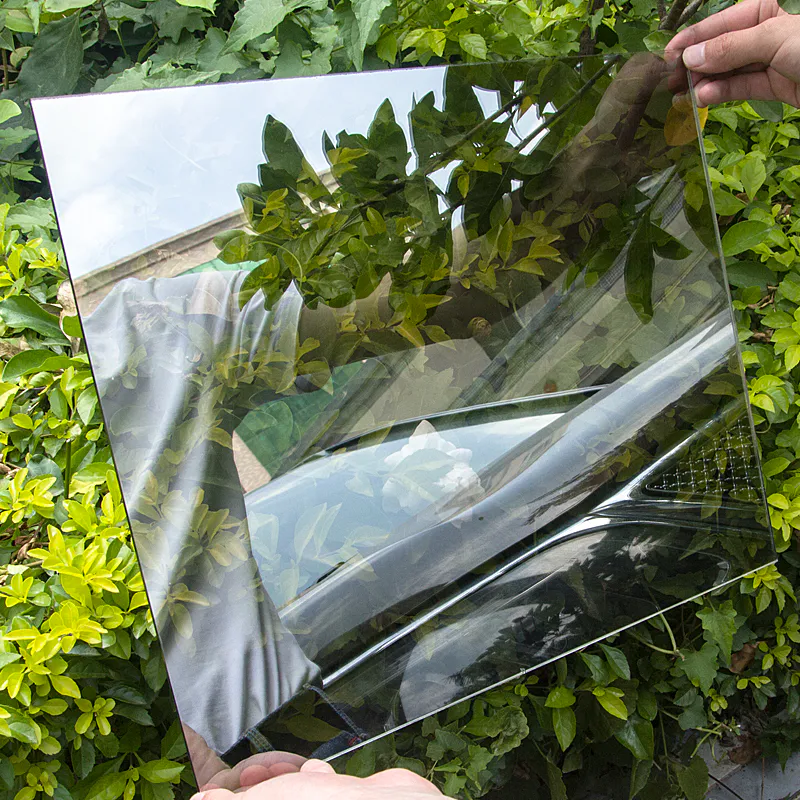
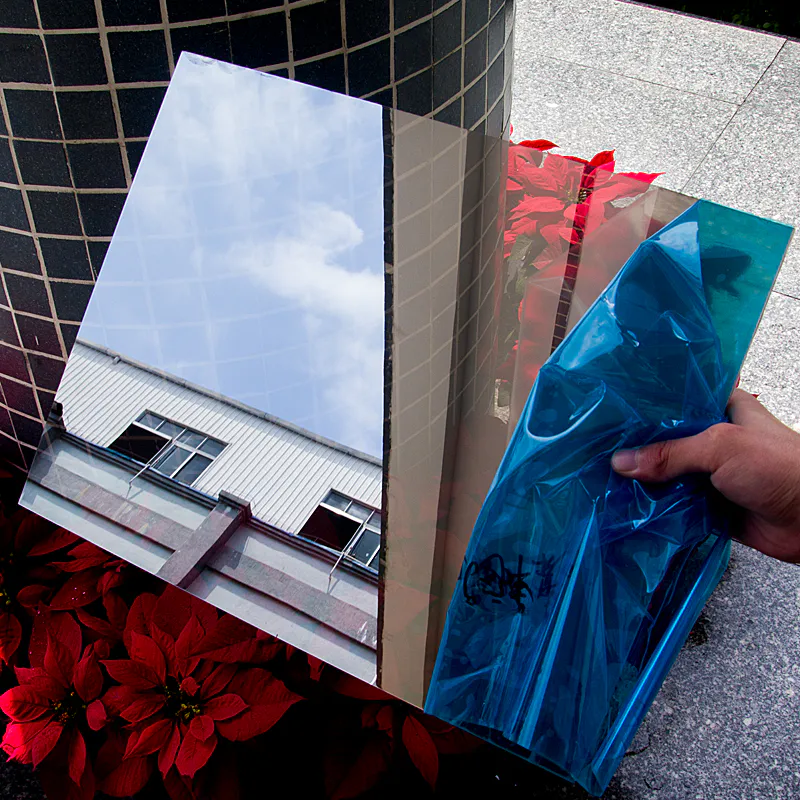
A two-way mirror has a thin reflective coating that reflects part of the light striking it and transmits the rest. The split between reflected and transmitted light is the defining specification of the sheet, usually written as a reflection/transmission pair — for example 70/30 or 50/50, you can refer to the picture below.
What the common ratios mean
The two properties that matter are visible light reflectance (how mirror-like the surface looks) and visible light transmission (how much you can see through it). The reflective-coatings supplier Window Film Depot sets out the relationship clearly in their explainer on how one-way mirrors work: they describe the one-way effect as occurring only when a surface has a significantly higher reflectance than transmission, so that under a strong lighting imbalance the small amount of light coming through from the dark side is overwhelmed by the reflection on the bright side. Their practical point is that the ratio is not a quality grade but a tuning choice — a higher-reflectance sheet looks more like a true mirror, a higher-transmission sheet shows the space behind it more clearly, and the right one depends entirely on the application.
The common ratios in production:
| Ratio (Reflect/Transmit) | Appearance from bright side | Best suited to |
|---|---|---|
| ~70/30 | Close to a normal mirror | Observation rooms, security, mirror-dominant smart mirrors |
| ~60/40 | Mirror with slight transparency | General smart mirror builds |
| ~50/50 | Noticeably see-through | Bright-room smart mirrors, displays needing screen brightness |
Industry figures cluster around these points. A 70% reflection with around 11% transmission on a tinted substrate is a widely quoted standard for observation and smart-mirror work, while 50/50 products trade mirror appearance for roughly double the screen brightness behind the sheet.
Choosing the ratio for a smart mirror
Smart-mirror builds are where ratio choice matters most, because the sheet has to do two opposing jobs: look like a mirror where the screen is dark, and let the screen show through where it is lit. The smart-mirror specialists at TwoWayMirrors.com, in their DIY smart mirror build guide, make a useful comparison on this point: they note that standard 70% reflective two-way mirror — whether glass or acrylic — looks almost identical to an ordinary mirror where the screen behind it is black, which is the look most builders want, but that this comes at the cost of screen brightness. Their observation on acrylic specifically is worth carrying into a purchase decision: they describe the acrylic two-way as having a neutral grey, color-accurate reflection tone, which is a point in its favor, but they also state plainly that acrylic is bendy by nature and recommend size limits accordingly (covered below).
The practical rule that follows:
- Dim rooms (hallways, bedrooms): a higher reflection ratio (70/30) gives the best mirror appearance, and the screen still reads in low ambient light.
- Bright rooms (kitchens, bathrooms with windows): a lower reflection ratio (50/50) lets the screen overcome the ambient light, at the cost of a less mirror-like surface when the screen is off.
- Mirror larger than the screen: choose a higher reflection ratio so the screen area blends into the surrounding mirror and the dark screen “vanishes.”
Tint and substrate
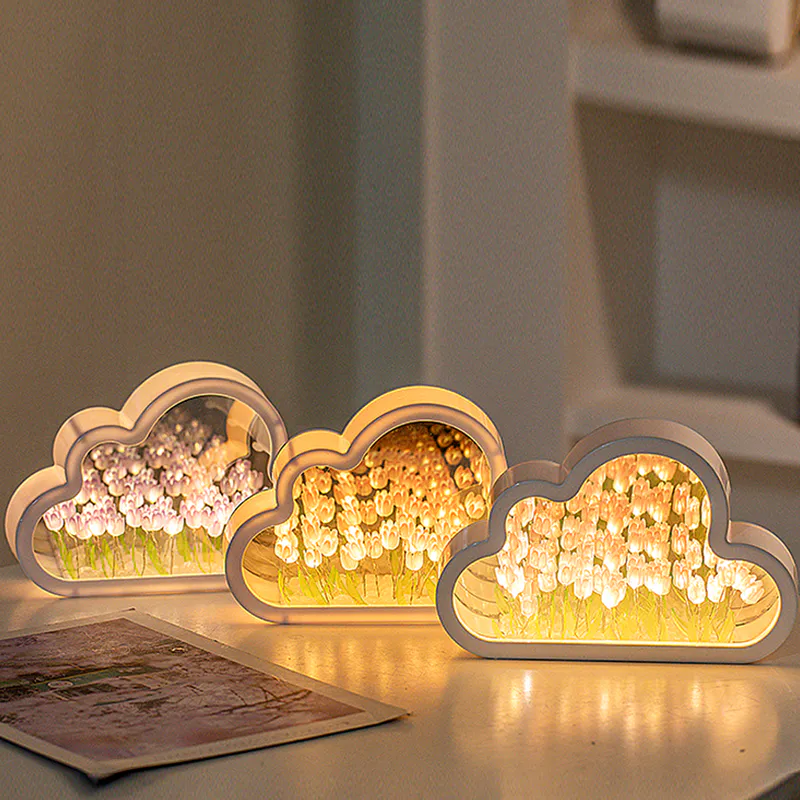
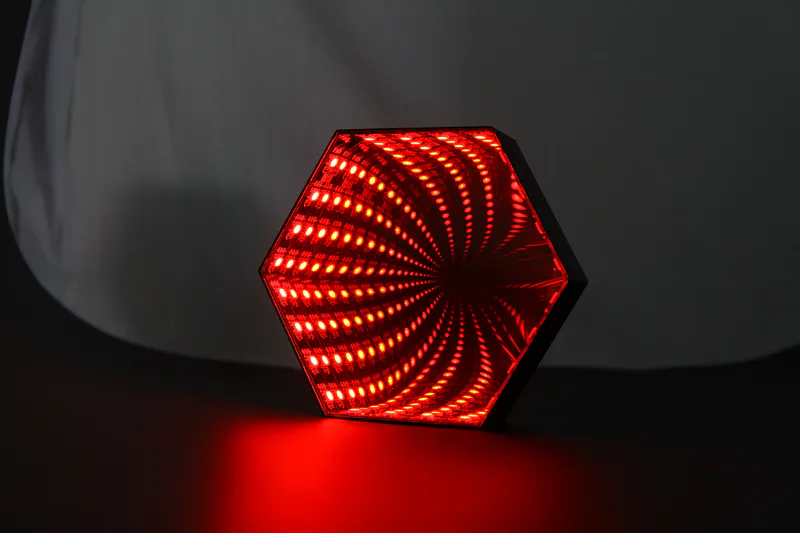
Two-way acrylic mirror is produced on different substrate tints, and the tint affects both appearance and performance. Most two‑way mirrors actually don’t use many colors; gray or gray‑blue (the colors as they appear visually) are more common. The special‑color acrylic two‑way mirror we offer is brown, and this color has a good market when used for products placed inside gift items. For example, the light box below uses the principle of a two‑way mirror to achieve its effect.
A neutral or grey tint gives a color-accurate reflection and is the common choice for smart mirrors where screen color matters. Bronze-tinted substrate is also widely used and is the basis for many standard two-way products; it shifts the reflection slightly warm. For most acrylic two-way work the neutral tint is the default we recommend, because it keeps both the reflection and any screen content behind it color-accurate.
Thickness and the size limit
Thickness selection for two-way acrylic follows the same logic as standard acrylic mirror, with one added constraint: two-way sheets usually cannot be bonded to a rigid backing, because the back face has to stay open for light transmission. That removes the main technique used to keep large standard acrylic mirror flat, which makes the size limit stricter for two-way.
Standard thickness
First, let’s look at the common thickness sizes of acrylic two‑way mirrors:
- 3mm is the standard for most two-way acrylic work, including smart-mirror builds. It is the thickness referenced in the common “A3-sized 3mm two-way acrylic” specification that buyers ask for.
- 1.5mm is used for small or weight-sensitive pieces but flexes too readily for anything but small sizes.
- 6mm gives more rigidity for larger pieces but adds weight and cost, and still does not match glass for flatness.
Why size is limited
Acrylic flexes, and a two-way sheet that cannot be backed by a rigid panel relies entirely on its own stiffness and its frame to stay flat. Above a moderate size, the sheet bows and the reflection distorts.
The TwoWayMirrors build guide is specific about the practical limit for the common thickness: for 1/8-inch (3mm) acrylic two-way, they recommend a largest size of about 12 × 24 inches, extending to roughly 24 × 28 inches only if you move to thicker material.
This is tighter than the general acrylic mirror size limit precisely because the rigid-backing fix is unavailable. For larger smart mirrors and observation panels, this is the main reason builders sometimes choose glass two-way despite the weight and cost — the flatness holds at sizes where acrylic would bow. The general size behavior of acrylic mirror is covered in the large mirror sheets guide.
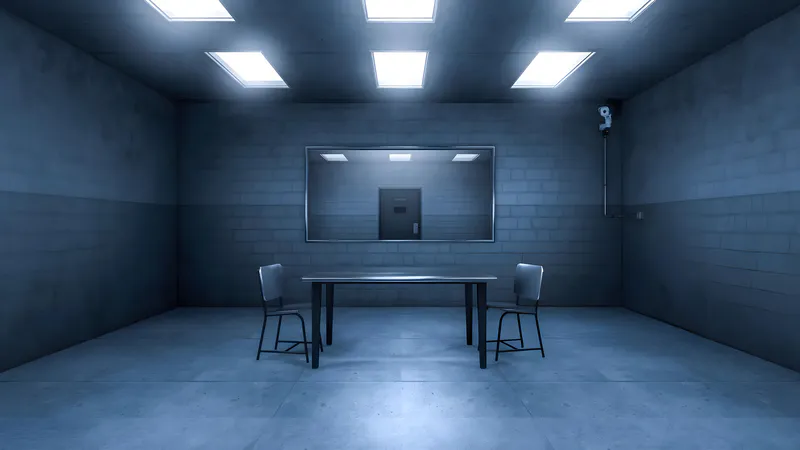
From this, it can be seen that the two‑way mirrors used in surveillance rooms are generally made of glass. If acrylic or other plastic materials are used, a large mirror surface will cause distorted reflections and overlapping transmitted images, making the overall effect very unnatural.
Installation considerations
Two-way acrylic mirror installs differently from standard mirror because the back face must remain unobstructed and the thin coating is more vulnerable.
Under normal circumstances, the supplier will first confirm what scenario you will use the two‑way mirror for, and will also recommend whether you need hardening based on that scenario. In addition to increased thickness, surface coating hardening and process‑based hardening of the mirror can be helpful for specific scenarios.
- Frame, do not bond. Support the sheet in an edge-engaging frame rather than bonding the back to a panel. The back has to stay open for the see-through effect, and the frame provides the rigidity the sheet lacks.
- Confirm orientation. The two faces are not interchangeable. The coated/reflective face goes toward the bright side; the back faces the dark side or the screen. Confirm before fixing the sheet in place.
- Protect the edges from moisture. The thin reflective coating fails faster than a standard mirror coating if moisture reaches it, and an unsealed edge is the entry point. Seal or frame the edges in any installation exposed to humidity.
- Mind the lighting. The sheet only produces the mirror effect under a sufficient lighting differential between the two sides. This is a property of the installation, not the sheet — covered in detail in the two-way mirrors guide.
- Keep the film on until final fitting. As with all acrylic mirror, the protective film stays on through cutting and mounting and comes off only at the end.
What to confirm before ordering
Two‑way acrylic (plexiglass) mirror sheets are often sold in non‑standard specifications, if you need a two‑way mirror of relatively large size, the best choice is glass rather than acrylic. For small sizes, you should make a sample first. so be sure to confirm the following points with the supplier:
- Reflection/transmission ratio. The most important spec and the one most often omitted. “Two-way mirror” without a ratio is an incomplete description. Confirm the actual figures (e.g. 70/30 vs 50/50).
- Tint. Neutral/grey or bronze, depending on whether color accuracy matters for the application.
- Thickness and intended size. Confirm the thickness and check it against the size limit — 3mm has a practical ceiling around 12 × 24 inches without a frame providing significant support.
- Coating durability and edge protection. Two-way coatings are thinner and more vulnerable than standard mirror coatings; ask about durability and plan edge sealing for humid environments.
- Cut-to-size and shape. Two-way acrylic cuts the same as standard mirror; confirm whether the supplier provides cut-to-size and any holes or cutouts needed for a build.
It’s best to finalize all of these issues during the sample‑acquisition stage. If new requirements are added after the order is placed, it may lead to changes in the overall production schedule and an increase in cost.
In particular, parameters such as reflectance, transmittance, and color tone will affect the entire order once they are changed. If it’s only a matter of size and shape, then adjustments can be made immediately.
Common applications
Two-way acrylic mirror sheet is specified across a consistent set of uses:
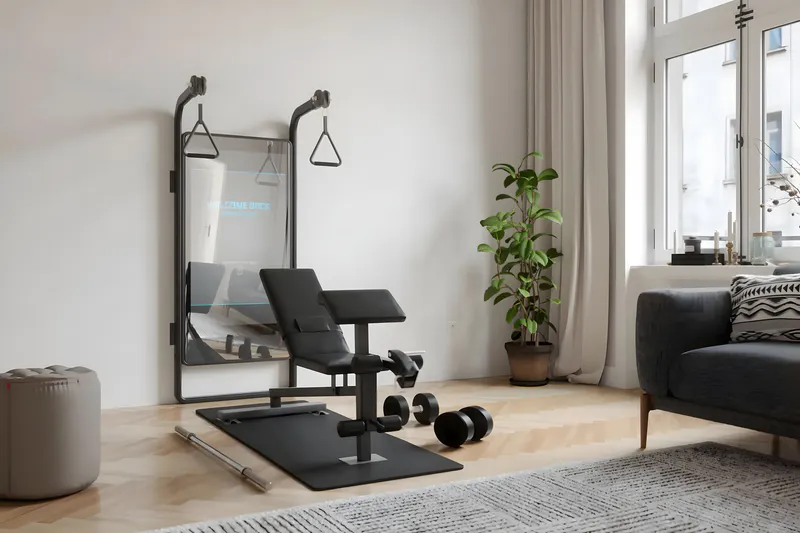
- Smart mirrors — the largest category, where the sheet sits over a screen displaying information.
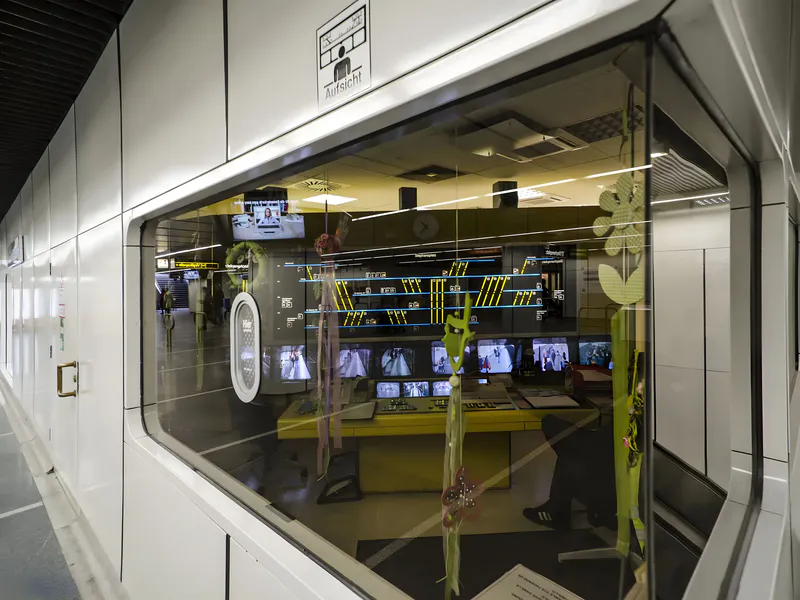
- Observation rooms — research, training, and assessment settings using a lit subject room and a darkened observation side.
- Security and surveillance — concealed monitoring positions, where local regulations permit.
- Display and retail — reveal effects, hidden screens, and interactive display fixtures.
- Stage and entertainment — reveal and overlay effects requiring a partially reflective surface.
For humid-environment smart mirrors — bathroom installations being the common case — the two-way sheet can be paired with an anti-fog treatment, though the same small-format size limits apply; see the anti-fog mirrors guide for the constraints on that treatment.
Practical summary
To specify two-way acrylic mirror sheet correctly, you need to be clear about and confirm the following information with the supplier.:
- Set the reflection/transmission ratio to the application — 70/30 for mirror-dominant and dim rooms, 50/50 for bright rooms and screen brightness.
- Choose tint by whether color accuracy matters — neutral/grey for color-accurate work.
- Use 3mm as the default thickness, and keep the unframed size within roughly 12 × 24 inches because the sheet cannot be rigid-backed.
- Frame rather than bond, confirm face orientation, and seal edges in humid environments.
- Confirm the ratio, tint, thickness, and coating durability with the supplier before ordering.
Two-way acrylic mirror is a strong choice for smart mirrors and observation work at small to moderate sizes, where its light weight, shatter resistance, and lower cost than glass are genuine advantages.
At larger sizes, the inability to rigid-back the sheet makes flatness the limiting factor, and glass two-way becomes the better option.
Our two-way mirrors are available as sheet and cut-to-size in the standard ratios and tints, specified to the application.