MATERIAL-BASED MIRROR SOLUTIONS
PMMA Acrylic Mirror
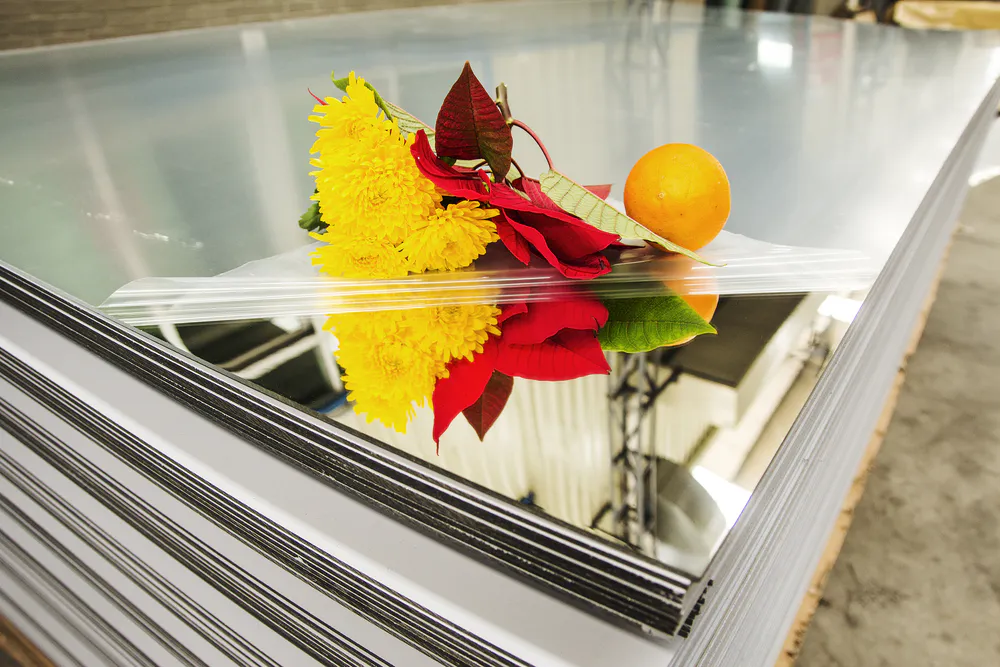
PMMA is generally the preferred choice for standard plastic mirror applications because it provides the best overall balance of optical quality, rigidity, weather resistance, surface finish, fabrication flexibility and cost.

- Home
- Material Guide
- PMMA Mirror

KNOW THE MATERIAL
What is PMMA Mirror?
PMMA (polymethyl methacrylate), commonly known as acrylic, is a transparent thermoplastic used as the substrate sheet for plastic mirrors. PMMA mirrors are manufactured by applying a thin metallic reflective coating to an acrylic sheet, typically followed by a protective backing layer to preserve the mirror finish.
Compared with traditional glass mirrors, PMMA mirrors provide a lightweight, shatter-resistant alternative that is easier to cut, process, and customize. Among common plastic mirror materials (such as PC, PS, and PETG), PMMA has advantages in optical transparency, high surface gloss, and long-term stability.
We mainly produce PMMA mirrors, often supplied in large sheet form. We provide support in terms of thickness, color, size, custom processing, resistance enhancement, and compliance testing.
Why Consider PMMA for Mirror Projects?
Better Light Transmittance
PMMA, as a substrate, has extremely high optical transparency. This makes the material clearer under specular reflection. Light transmittance means that more light can pass through and be reflected by the metal coating.
Lightweight Adaptation
Some projects require lighter mirrors to serve as decorative panels; in such cases, acrylic material has more advantages than glass. Thereby reducing the structural load of the product and simplifying the overall process.
Versatile Fabrication
CNC cutting, laser cutting, routing and selected forming processes can support custom shapes. Supports screen printing and UV printing. Can be thermoformed, with enhanced hardness and enhanced scratch resistance.
Outdoor Adaptability
PMMA offers excellent inherent UV resistance and weatherability, with low susceptibility to yellowing under prolonged sunlight exposure. Suitable for the vast majority of outdoor mirror types and project requirements.
Exploring Mirror Types Suitable for PMMA
PMMA can be used to produce flat, two-way, convex, concave, dome, and anti-fog mirrors. Each type offers distinct optical characteristics, with customizable sizes, shapes, and specifications to meet different project requirements.

Mirror Sheet
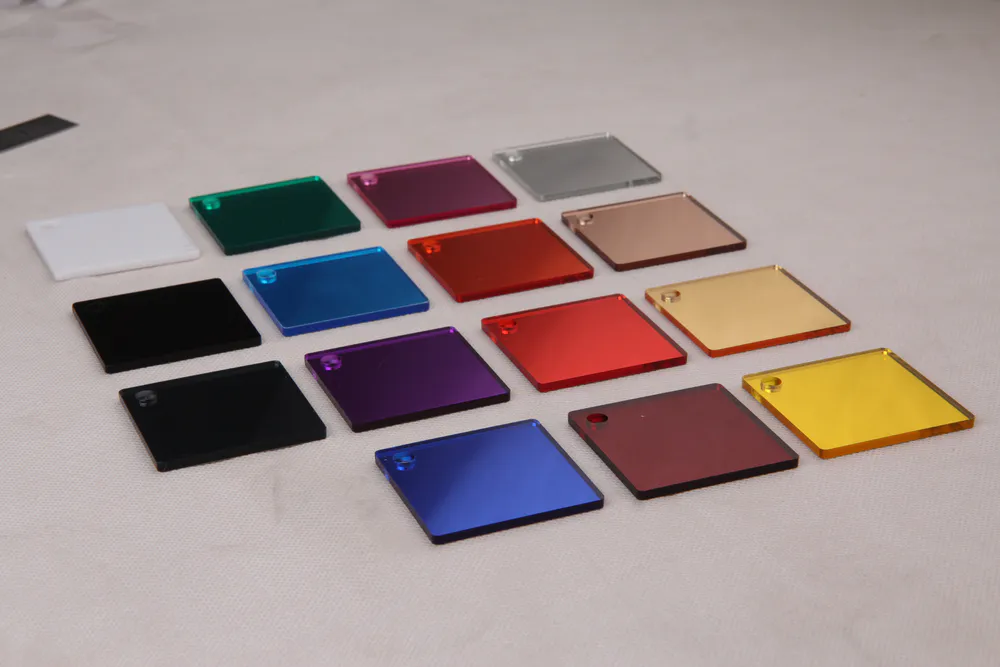
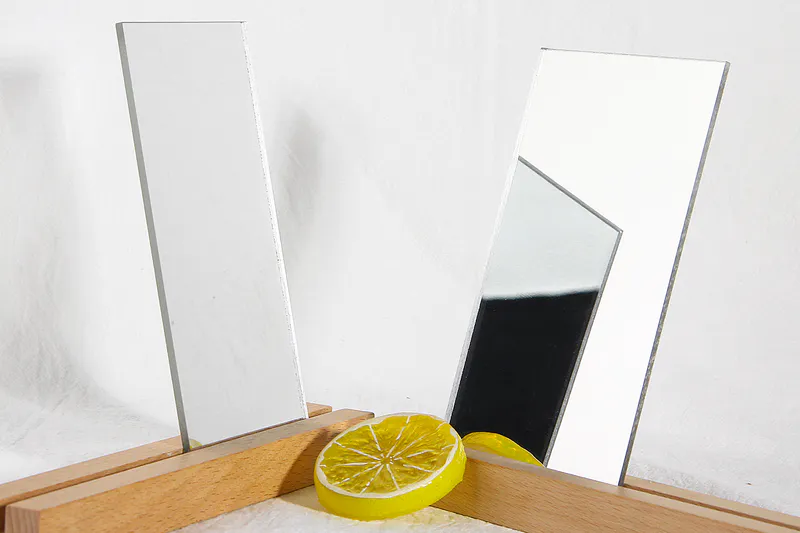
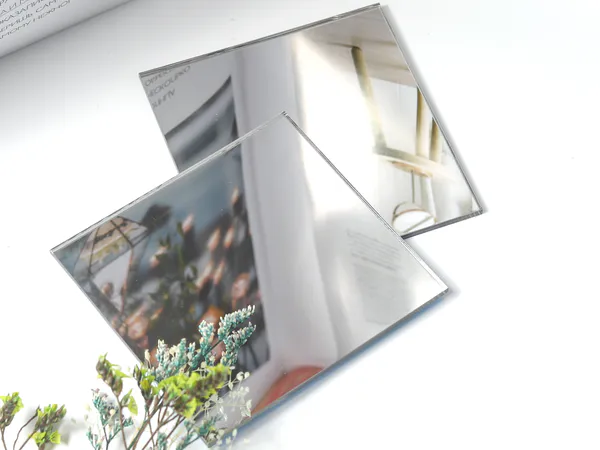
Flat PMMA mirror sheets are available in various thicknesses, sizes, and colors. Supports precision cutting, edge processing, and customized panel dimensions.
Two Way Mirror
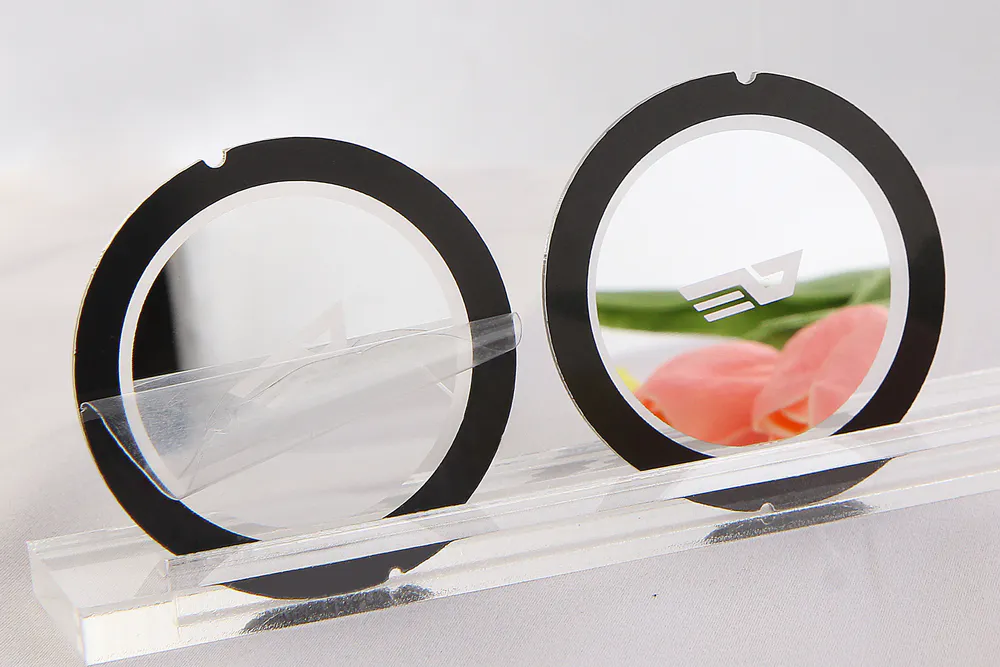
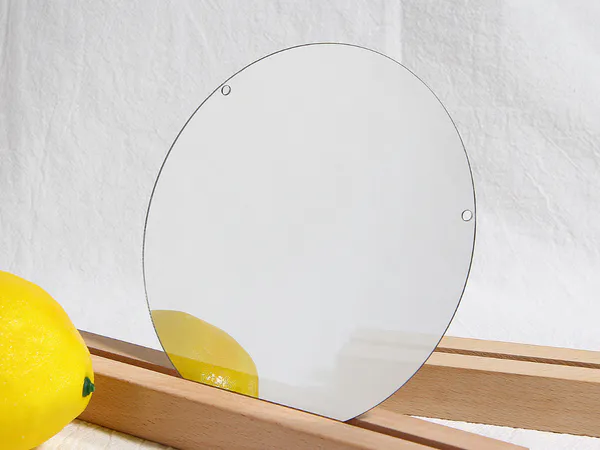
Available as standard sheets or custom-cut panels, with options for thickness, dimensions, and reflective coating specifications.
Convex Mirror
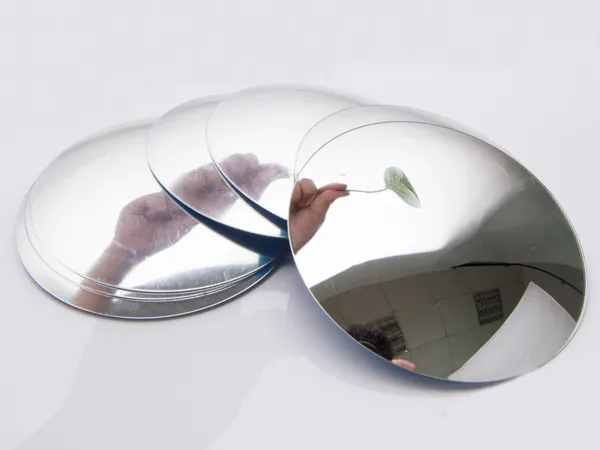
Available in standard and custom diameters, with different curvature depths and edge designs. Supports customized shapes, mounting configurations, and various viewing angles.

Concave Mirror
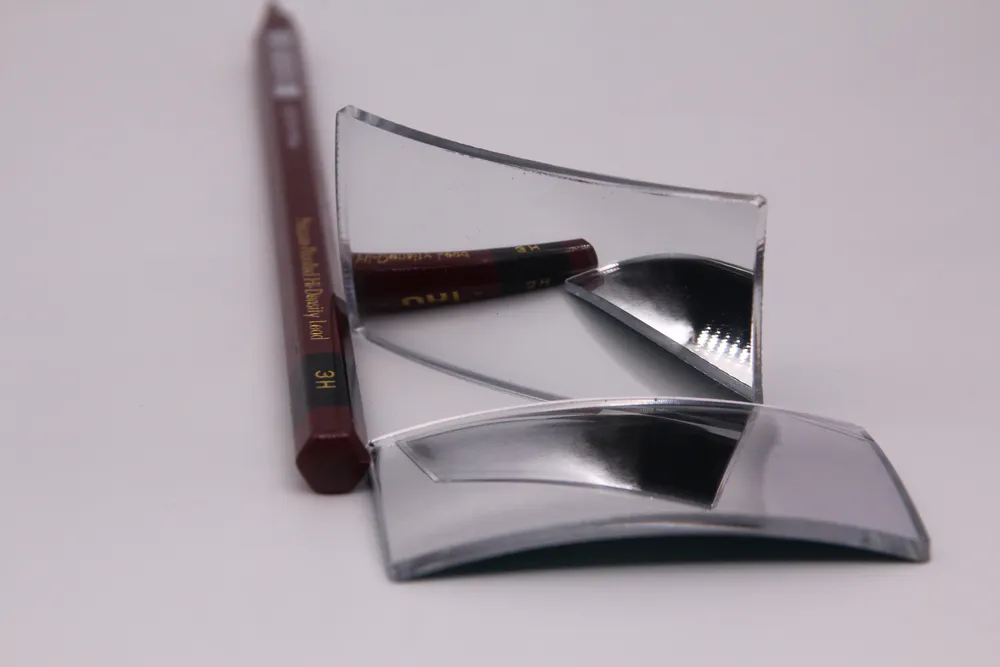
Concave PMMA mirrors can be produced in different diameters and curvature profiles. Focal length and surface curvature can be specified according to optical design requirements.
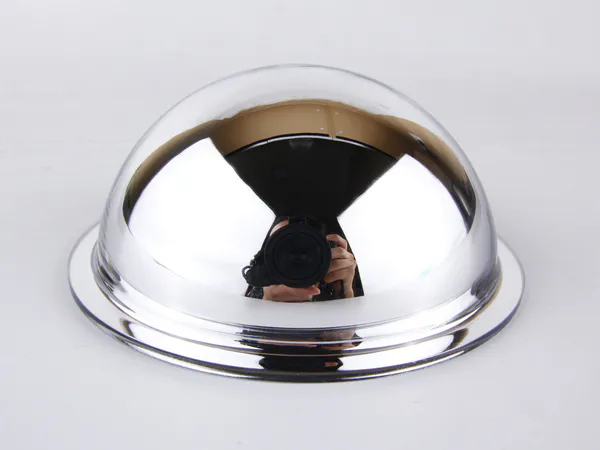
Dome Mirror
Available in quarter-dome and half-dome configurations, providing wide-angle, multi-directional reflections. Dome diameter, height, and mounting flange dimensions can be customized.
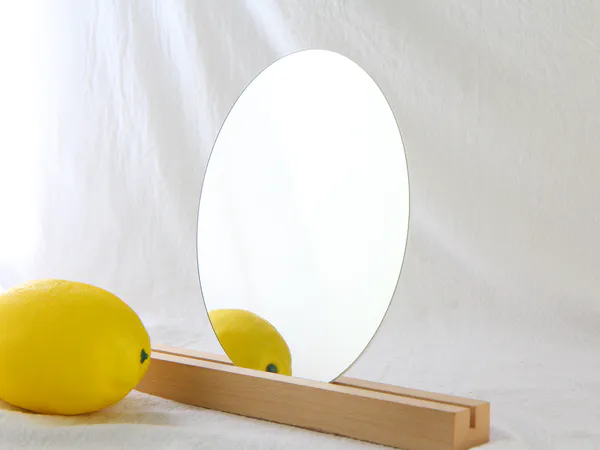
Anti-Fog Mirror
PMMA mirror with anti-fog surface treatment help reduce fogging caused by condensation. Available in different thicknesses, sizes, and shapes, and customizable mounting holes and edge processing are offered.

Specify Your PMMA Mirror
Size
Standard sheet sizes or custom dimensions to meet your needs.
Thickness
Multiple thickness options to suit different panel sizes.
Color
Silver, gold, and other mirror colors for different designs.
Shape
Rectangular, circular, and custom shapes cut to your needs.
Printing
Custom logos, patterns, and graphics printed on mirror sheets.
Hardening
Hard coating for improved surface scratch resistance.
Drilling
Custom hole sizes and positions for different mounting needs.
Edge Finish
Straight-cut, polished, or rounded edges to your need.
Mirror Type
Standard reflective or two-way, curved for different applications.
Share your drawing and mirror function for a project-specific specification.
FAQ
Q: Is cast or extruded PMMA better for mirror production?
A: Both cast and extruded PMMA can be used for mirror production. Extruded PMMA is widely used for standard flat mirror sheets due to its consistent thickness and production efficiency. Cast PMMA may be selected for specific fabrication requirements. The choice depends on the application, processing method, and required tolerances.
Q: Can large PMMA mirror sheets maintain a flat reflection?
A: Large PMMA mirror sheets may experience image distortion because of the material’s flexibility. Increasing thickness helps reduce bending, but proper installation is equally important. A flat, rigid backing is recommended for larger mirrors, particularly full-length mirrors and wall-mounted panels.
Q: Does PMMA mirror quality depend on virgin or recycled raw materials?
A: Raw material quality can affect the consistency of PMMA mirror sheets. Virgin PMMA is often specified for applications requiring high optical clarity and consistent appearance. Recycled PMMA may also be suitable if it meets the required standards for transparency, surface defects, and batch consistency.
Q: What factors affect the price and MOQ of PMMA mirror sheets?
A: Pricing depends on PMMA grade, sheet dimensions, thickness, mirror color, reflective coating, processing requirements, and order quantity. Standard specifications and customized products may have different minimum order quantities. Buyers should provide detailed specifications to obtain an accurate quotation.
START YOUR MIRROR PROJECT
Discuss Your Mirror Project
Tell us what the mirror needs to do. We can review the material, mirror format and customization requirements with you.
Size & thickness
Mirror type & quantity
Indoor / outdoor / humid environment
Drawing or reference image
What Happens Next?
01. Requirement Review
We review your specifications, quantity, and intended application.
02. Technical Assessment
We evaluate suitable materials and customization options.
03. Quotation & Follow-up
Our team discusses pricing and the next steps with you.