
MATERIAL-BASED MIRROR SOLUTIONS
PS Polystyrene Mirror
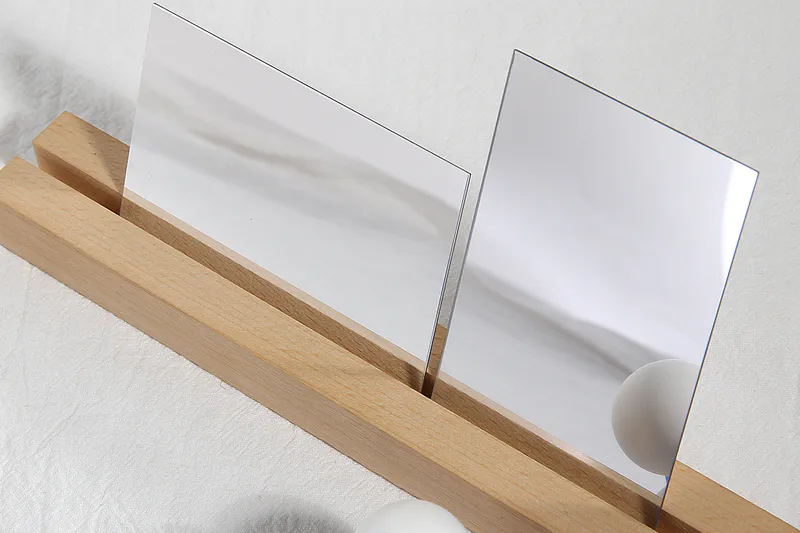
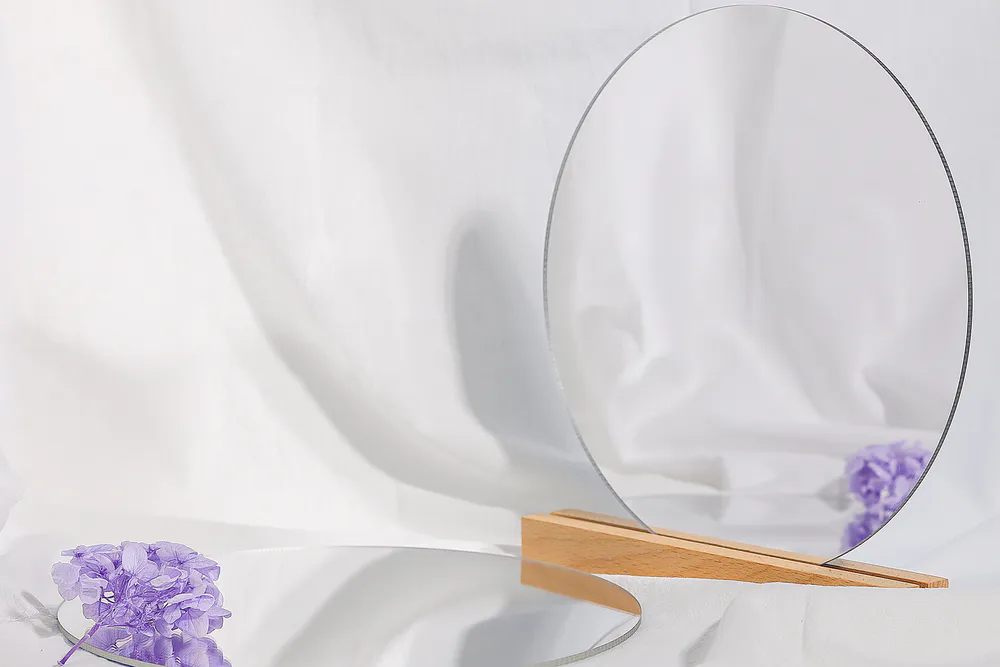
The biggest characteristic of PS mirror panels is their low material cost. Without requiring complex processing or design, mirrors made from this material have a greater cost advantage while still serving the function of a mirror.
- Home
- Material Guide
- PS Mirror
KNOW THE MATERIAL
What is PS Mirror?
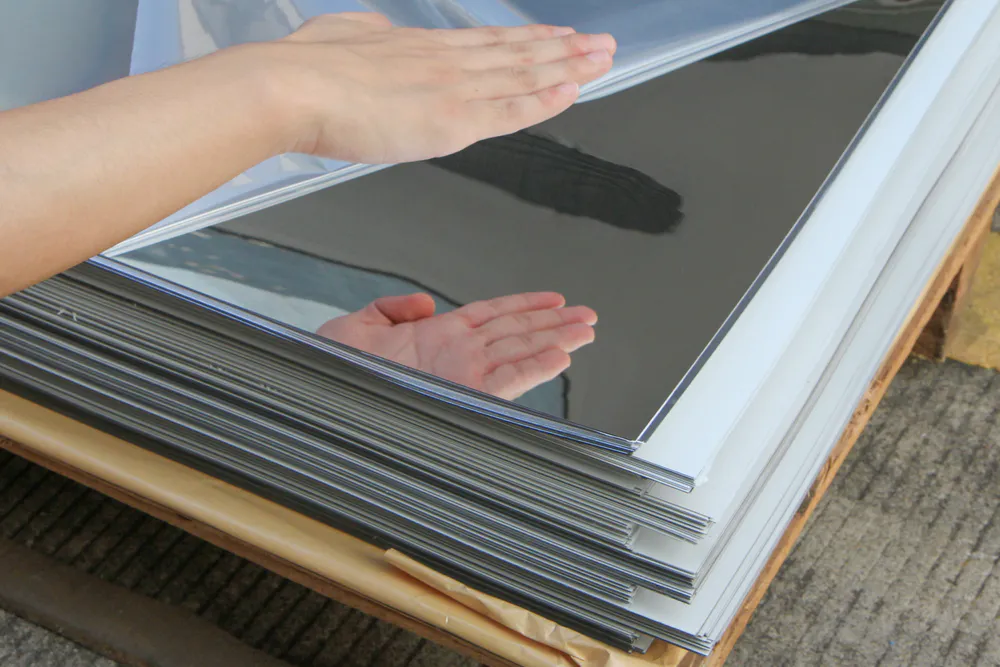
PS (polystyrene) is a lightweight thermoplastic used as the base material for PS mirror sheets. A reflective layer is applied to the sheet to create the mirror finish. In composite processes, PS material is also used for the back panels of PMMA or PC.
Compared with PMMA, PC, and PETG mirror sheets, PS generally offers a lower material cost. It is also lightweight, rigid, and easy to fabricate, with affordability as its main advantage. Besides this, its properties are all inferior to those of other materials.
The optical performance of PMMA, the impact resistance of PC, and the toughness of PETG each have their own advantages. The main consideration when choosing is which properties you need. The most prominent feature of PS is its affordability. Secondly, mirrors made from PS material are usually very thin. The minimum thickness can be as low as 0.1 millimeters.
Why Consider PS Material for Mirror?
Reduce Procurement Expenses
Compared with mirror materials such as PMMA, PC, and PETG, PS usually has lower material costs. If its performance can meet your requirements, it can reduce material procurement expenses.
Lightweight Adaptation
PS material has a relatively low density, and the sheet itself is lightweight, making it more convenient to transport, process, and assemble. Using this material for standard mirror specifications offers higher cost performance.
Easy to Process
PS can undergo conventional processing such as cutting, drilling, and milling, making it easy to adjust dimensions and shapes as required. However, overall, it is not as versatile as PMMA.
Good Rigidity
PS material is relatively hard and rigid, with good stiffness. It has a certain degree of impact resistance and bending resistance. Its strength is second only to PMMA, but it is suitable for the vast majority of application scenarios.
Exploring Mirror Types Suitable for PS
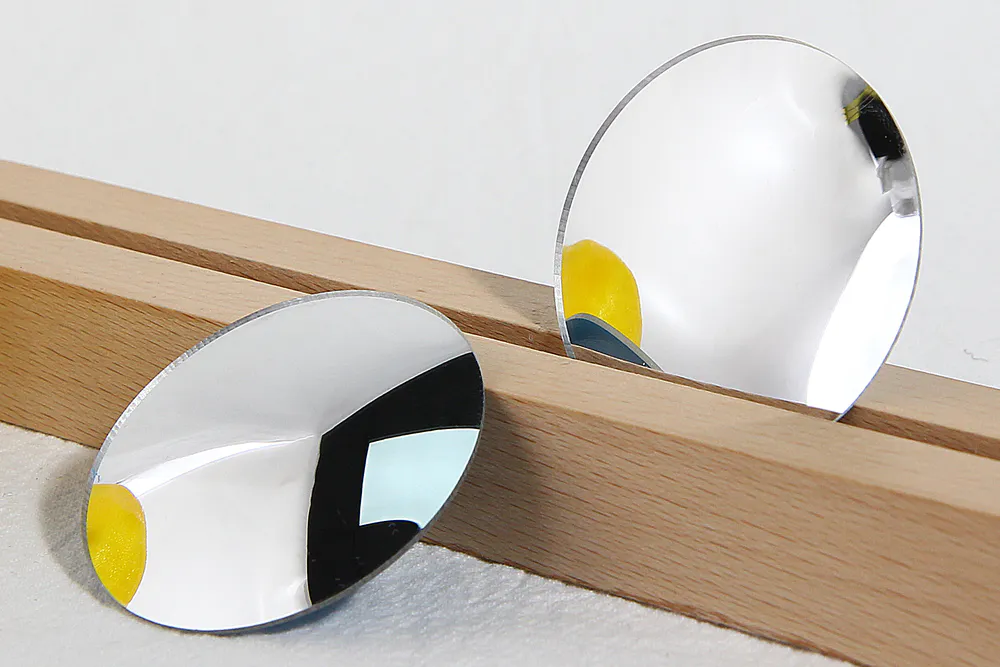
PS can be used to produce regular mirrors, two-way mirrors, convex mirrors, and concave mirrors. However, there are also some limitations.
Mirror Sheet
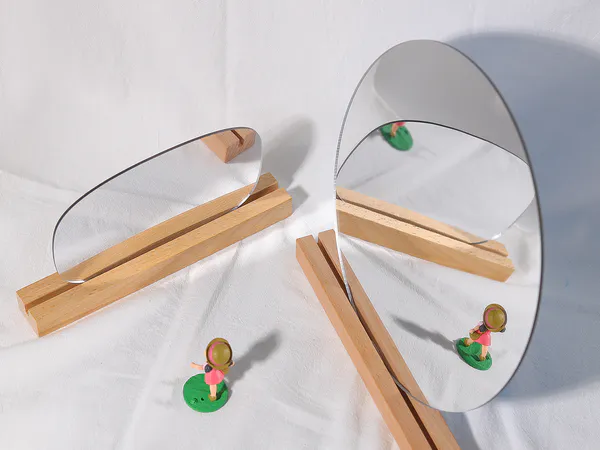
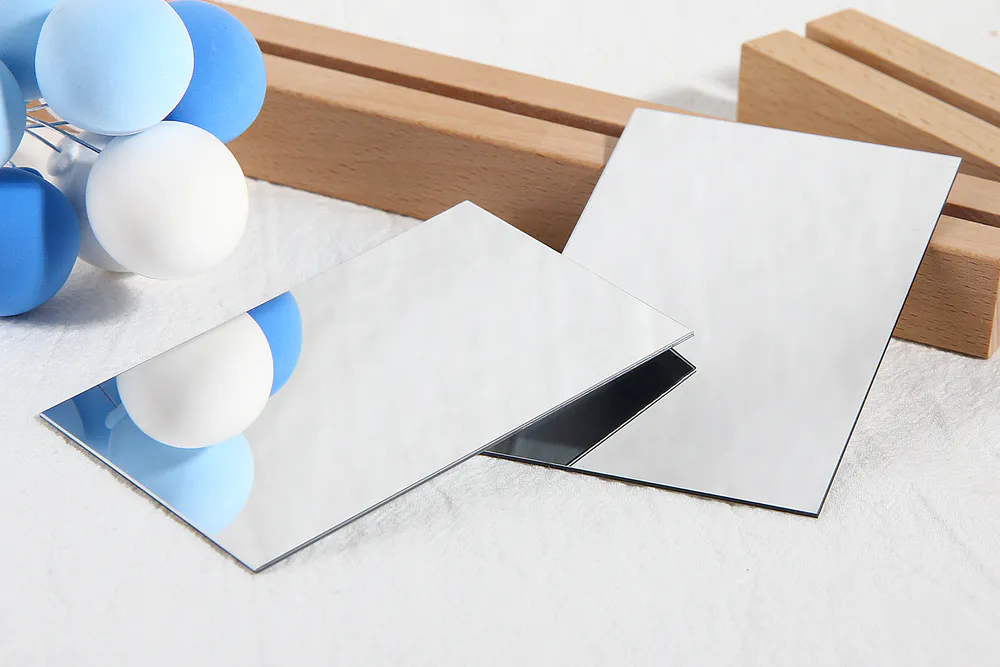
PS mirror sheets are usually not made in high thicknesses, nor in multiple colors. Sizes can be freely selected. Precision cutting and edge processing are supported.
Two Way Mirror
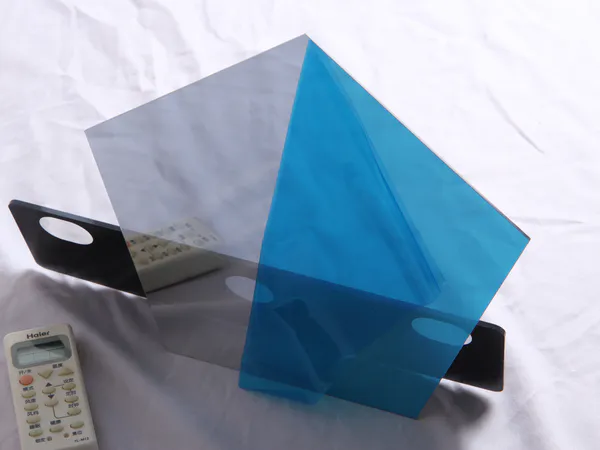
Use PS material to make a half-mirror, typically with a 50%/50% reflection and light transmission ratio. Additional ratio allocation options are generally not provided.
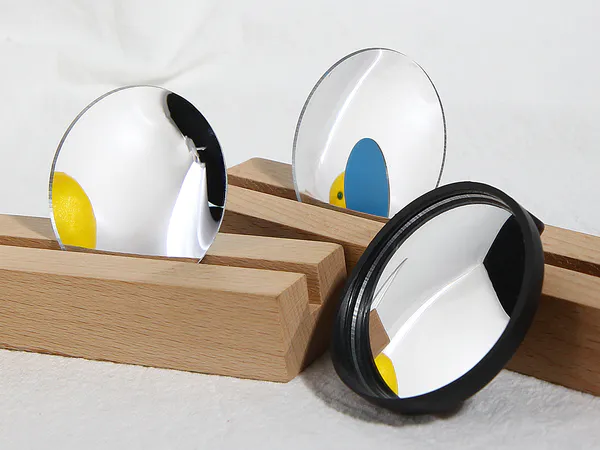
Convex Mirror
Convex mirrors made of PS material are not suitable for outdoor use, as their resistance strength is relatively weak. Also, their size is usually not made very large.
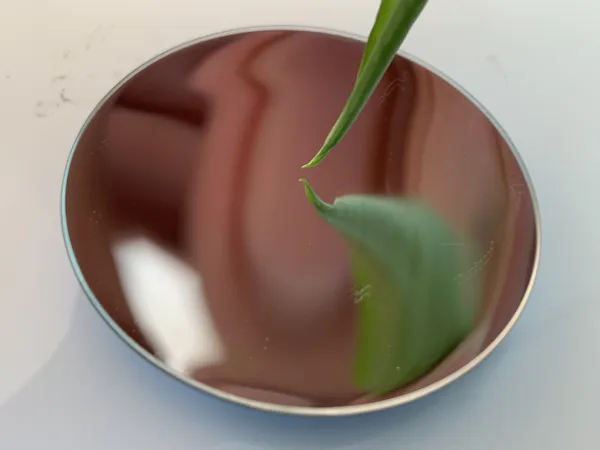
Concave Mirror
PS concave mirrors cannot be manufactured with a highly pronounced concavity. They are suitable for standard sizes but cannot accommodate custom dimensions.
Customize Your PS Mirror
Size
Standard sheet sizes or custom dimensions to meet your needs.
Thickness (Limited)
The thickness is generally within 2 mm; exceeding 2 mm is not recommended.
Shape (Limited)
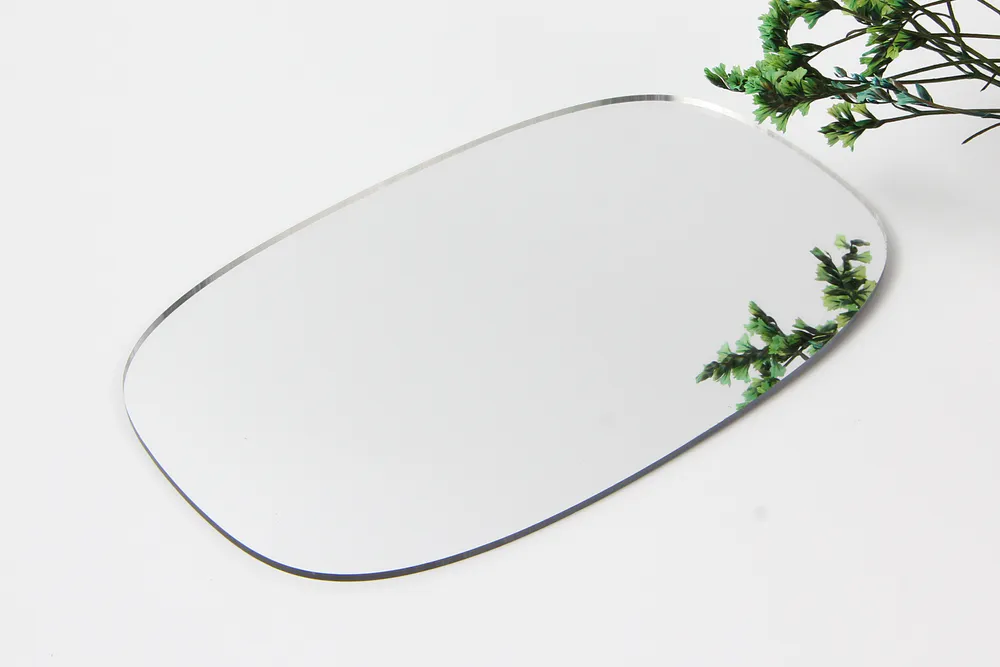
Limited to common geometric shapes, it cannot render more complex graphics.
Printing
Custom logos, patterns, and graphics printed on mirror sheets.
Drilling
Custom hole sizes and positions for different mounting needs.
Edge Finish
Straight-cut, polished, or rounded edges to your need.
Mirror Type (Limited)
Standard, two-way, convex, and concave (only in standard sizes).
Share your drawing and mirror function for a project-specific specification.
FAQ
Q: Why are PS mirror panels cheaper than PMMA ones?
A: PS typically has lower material costs, so it is often more competitively priced. However, the two materials do not offer exactly the same mirror-like finish or performance. Before purchasing, you can compare physical samples of the same specifications to confirm whether PS meets your requirements and then determine how much cost savings it can offer.
Q: What should you mainly look for in samples before purchasing PS mirror panels in bulk?
A: Pay close attention to the clarity of the mirror finish, color, surface defects, and whether the thickness and dimensions meet the requirements. If cutting, drilling, or laminating is also required, you can test these processes on a sample first. Once confirmed, retain the sample and include the acceptance criteria in the order for easy inspection of the bulk shipment.
Q: Will a large PS mirror panel produce distorted reflections?
A: The imaging effect depends on the flatness, thickness, and back support of the sheet. If the sheet is warped or unevenly supported, the reflected image may become distorted. When purchasing large sheets, we recommend evaluating the effect using a sample close to the final product size, as a small sample cannot fully represent the performance of the entire sheet.
Q: How are the price, minimum order quantity, and lead time for PS mirror panels determined?
A: The unit price depends on thickness, size, color, order quantity, and processing requirements. Minimum order quantity (MOQ) and delivery time also depend on whether the product is in stock and if separate production scheduling is needed. Please provide detailed specifications when inquiring, so we can confirm the quotation, MOQ, and estimated shipment date at the same time.
PROCUREMENT INQUIRY
Get a Quote for PS Mirror Sheets
Tell us the required specifications and quantity, and we will confirm the price, minimum order quantity, and estimated lead time with you. You can also inquire even if the specifications have not been finalized yet; just provide the requirements you currently have.
Dimensions, thickness, and purchase quantity
Mirror color and processing requirements
Delivery location and expected lead time
After Submission, What Information Will You Learn?
01. Requirement Review
We review your specifications, quantity, and intended application.
02. Technical Assessment
We evaluate suitable materials and customization options.
03. Quotation & Follow-up
Our team discusses pricing and the next steps with you.