
The 4ft × 8ft acrylic mirror sheet is the standard full-sheet format across the industry, and one of the most commonly ordered products in our range. It’s also one of the most commonly misunderstood, because the way it’s sold and the way it’s actually used are different things, and the gap between them produces a meaningful number of disappointed customers.
A 4×8 acrylic mirror sheet is a format. It’s how the material is manufactured, how it’s stocked, and how it’s most economically shipped. It’s not a finished mirror you take out of the packaging, hang on a wall, and use as a reflective surface. At full sheet size, the acrylic material doesn’t have enough rigidity to deliver an acceptable reflection — the surface distortion we’ve covered extensively in this series becomes severe enough that the result isn’t usable as a mirror in any normal sense.
What people actually do with 4×8 sheets is cut them down. Sometimes into smaller standard rectangles for multiple installations. Sometimes into specific custom shapes for signage, fixtures, or decorative work. Sometimes into thin strips for trim or accent applications. The full sheet is the starting point for fabrication, not the end product. Once you understand this, the rest of the buying decision becomes much clearer.
This post is the practical guide to ordering 4×8 acrylic mirror sheets and using them effectively. We’ll cover what the format actually is, why people buy at this size, how it gets cut and processed, what to specify when ordering, and the common mistakes that lead to wasted material.
Why 4×8 Is the Standard Size
The 48-inch × 96-inch dimension is the standard sheet size across most plastic and panel products in North America — plywood, drywall, polycarbonate, clear acrylic, melamine, hardboard. The reason is mostly historical and infrastructural. It fits standard truck and trailer loading dimensions, standard warehouse rack spacing, and the standard handling equipment that most distribution operations are built around. A material that ships in 4×8 sheets moves through the existing supply chain efficiently; a material in a non-standard size doesn’t.
Acrylic mirror is produced and stocked in this format for the same reason. Manufacturers run 4×8 as the primary production size, distributors stock it as their primary inventory format, and the per-square-foot pricing is most favorable at this dimension. A buyer ordering a non-standard size — say, 50 inches × 100 inches — typically pays a premium and waits longer, because the request requires either custom production or cutting from oversized stock. Our acrylic mirror sheet is also made according to these dimensions, the metric equivalents are 1220 × 2440mm and 1220 × 1830mm, which are essentially identical dimensions in different measurement systems. UK and European suppliers use the metric numbers; North American suppliers use imperial; the actual product is the same.
Why You Can’t Use a 4×8 Sheet As-Is
This is the part that matters most for buyers, and the part most product pages don’t address.
The size-distortion limitation we’ve covered repeatedly across this series — most directly in the introduction to acrylic mirrors, the complete guide to acrylic mirror sheets, and the acrylic mirror thickness guide — becomes severe at full sheet size. The natural flexibility of acrylic means a 4ft × 8ft sheet can’t hold a flat enough surface profile to produce an acceptable reflection. Any minor variation in mounting surface, adhesive layer thickness, frame pressure, or even ambient temperature gets translated into visible surface waves. The mirror image looks wavy, distorted, funhouse-like — not subtly, but obviously enough that the result isn’t usable for any application that wants a reflection.
Thicker stock helps but doesn’t solve the problem. A 6mm sheet at full size is more rigid than a 3mm sheet, but neither approaches the flatness of a glass mirror at the same dimensions. The fundamental issue is the material’s elasticity combined with the unsupported span — there’s no fix at the substrate level that delivers the flatness a full-size reflective surface would require.
As in the two images below, the one on the left is an acrylic mirror sheet that is relatively thick, while the one on the right is relatively thin. You can clearly see the distortion effect in the mirror surface.
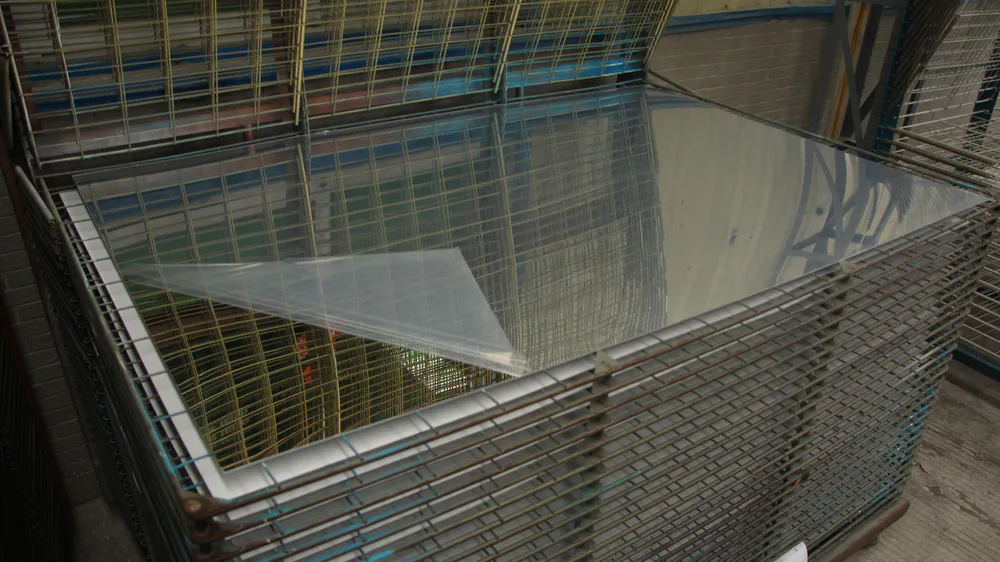
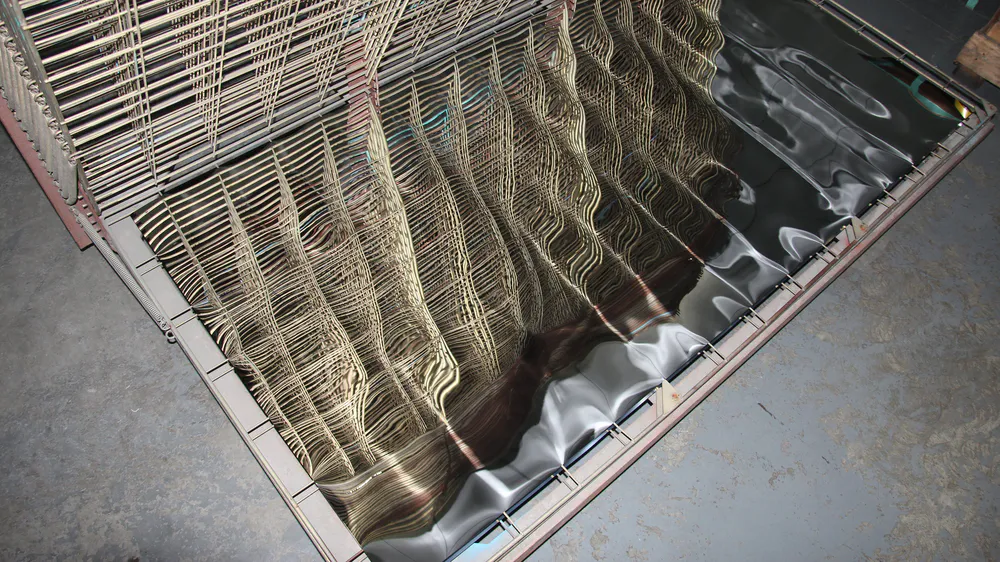
This isn’t a flaw in the manufacturing or a quality problem with any specific supplier. It’s an inherent property of the material at scale. The only way to get an acceptable reflection from acrylic mirror at large dimensions is to cut it down to a size where the rigidity is sufficient — generally under 60cm in any dimension for premium results, under 80cm for less demanding applications.
For genuinely large flat reflective installations — gym walls, dance studios, full-length entry mirrors, large vanity mirrors — glass is the only material that delivers the required surface flatness. We’ve recommended this consistently throughout the series and it remains the right answer.
What People Actually Do With 4×8 Sheets
Once you accept that the full sheet is a raw material, the legitimate use cases become clear. A few of the patterns we see most often:
Cutting into multiple smaller rectangles for a single project
A retail fit-out specifying acrylic mirror for 20 fixtures might order three 4×8 sheets, then cut them down into the 24-inch × 36-inch panels each fixture needs. The per-unit material cost works out significantly lower than ordering 20 pre-cut panels separately, and the supplier handles the cutting service or the fabricator handles it in-house.
Cutting into specific shapes for signage and display
Channel letter faces, dimensional logo work, cut-letter signage, and similar fabrication uses 4×8 acrylic mirror sheets as the starting material. The pattern is cut from the full sheet — usually by laser cutting — and the offcuts are saved for smaller pieces or discarded. The full-sheet pricing makes this economical even when most of the sheet ends up unused for a single sign.
Producing small pieces in volume
Craft suppliers, OEM manufacturers, and small-format product makers buy 4×8 sheets to cut into bulk small pieces — mosaic tiles, jewelry blanks, ornament inserts, packaging components. A single 4×8 sheet yields hundreds of small pieces, and the per-piece material cost is fractional compared to buying pre-cut small mirrors.
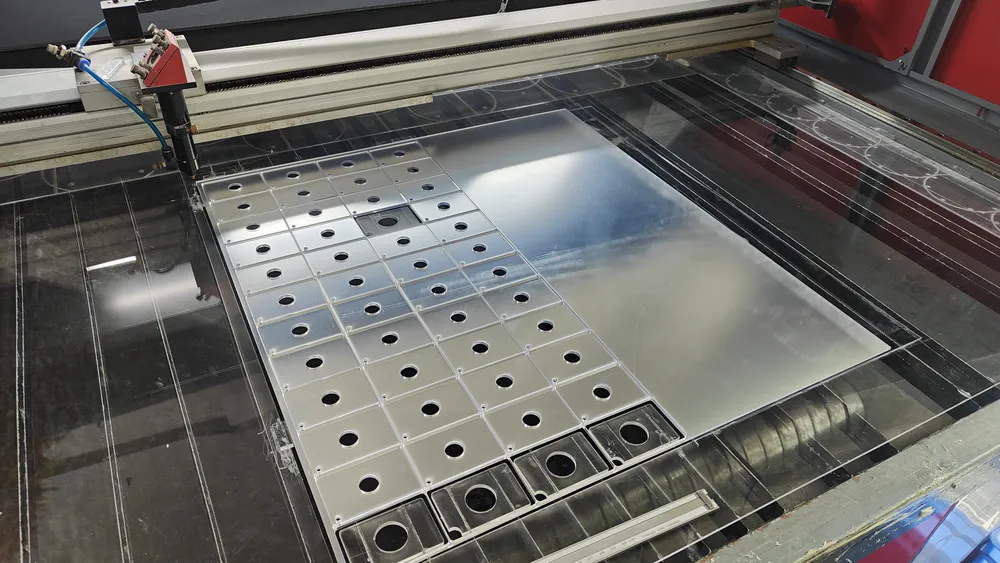
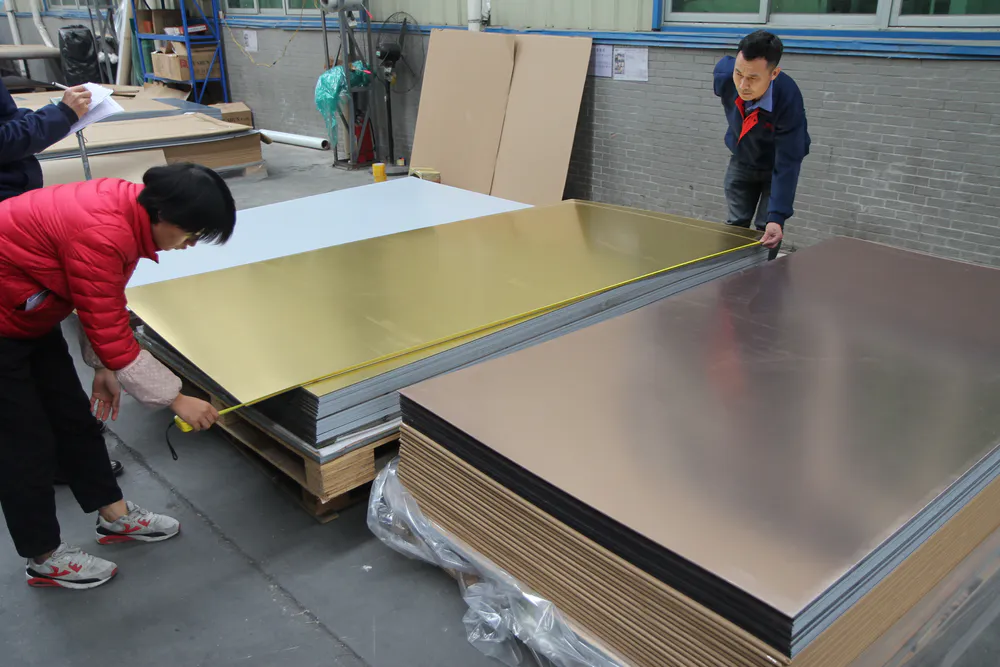
As shown in the picture, if you have fixed mirror size requirements, you can certainly ask the supplier to cut the large mirror sheets into small mirror pieces for you.
Custom architectural or design work
Designers and fabricators producing one-off installations — bespoke wall features, art installations, retail concept work — buy at the 4×8 format and cut as the design requires. The full sheet gives them flexibility to make the size and shape decisions at the fabrication stage rather than at the ordering stage.
Stocking for ongoing work
Sign shops, fabrication businesses, and similar operations keep 4×8 sheets in stock as raw material for the work they do. Ordering at full sheet size makes inventory management simpler than ordering project-by-project, and the material doesn’t degrade in storage if kept properly.
What unites these uses is that the buyer is cutting the sheet — either themselves, or through a service the supplier provides. Nobody is buying a 4×8 sheet to use as a 4×8 mirror.
Cutting and Fabrication
Since cutting is what actually happens with these sheets, it’s worth covering the practical methods and considerations. The right cutting approach depends on the thickness, the shape complexity, and the equipment available.
Score-and-snap
Score-and-snap works for straight cuts in thin material (1.5mm to 3mm). The process is similar to cutting glass tile — a sharp plastic-cutting blade or utility knife scores a deep line along the cut path, repeated three to five times, then the sheet is broken cleanly along the scored line. Score-and-snap is fast and produces a reasonable edge for non-critical work, but it’s limited to straight cuts and works poorly above 3mm thickness.
Laser cutting
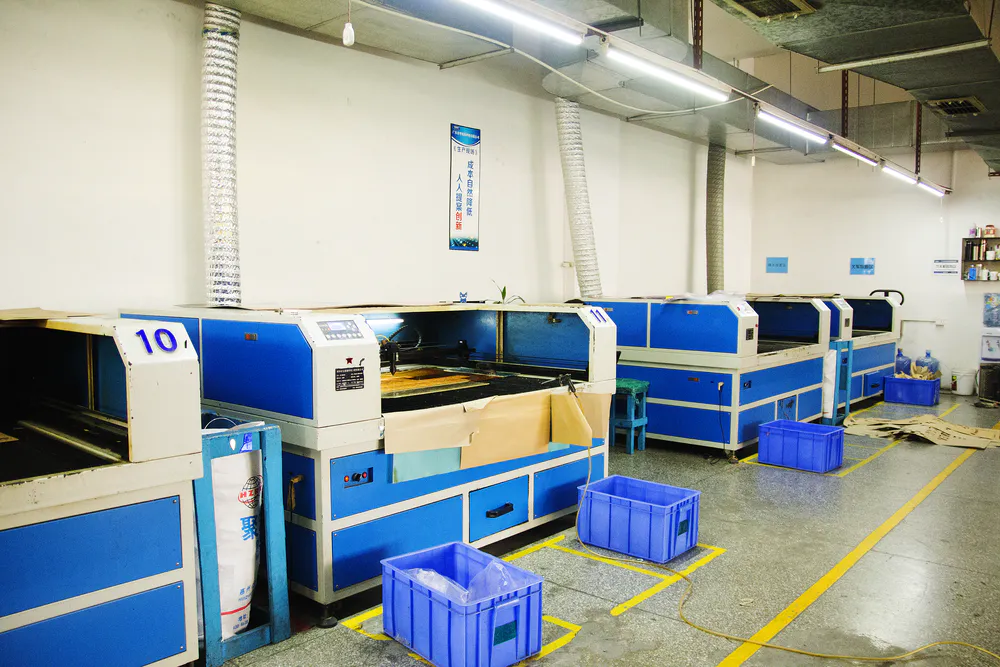
Laser cutting produces the cleanest edge of any method and handles complex shapes well. The laser flame-polishes the cut edge as it goes, producing a smooth, slightly rounded edge that often doesn’t need further finishing. The constraint is thickness — most retail laser cutters max out at 3–6mm acrylic, and faster cutters require lower thickness. Laser cutting is the standard method for signage and craft applications working in the 1.5–3mm range.
Drilling
Drilling is straightforward with bits designed for plastic — twist bits with a slightly modified geometry that resists “grabbing” the material. Standard wood or metal bits can work in a pinch but tend to chip the surface and may crack the sheet at exit. Drill speeds should be moderate to slow; high-speed drilling generates heat that melts the cut edge and produces a poor hole.
For buyers without in-house cutting capability, most acrylic mirror suppliers offer cut-to-size services. The supplier cuts the 4×8 sheet to the specified dimensions and ships the cut pieces. This is usually the most economical approach for a single project and the most practical for buyers without fabrication infrastructure. If you need laser cutting services, you can check here.
Specifications to Confirm When Ordering
A few things worth getting right at the order stage, since 4×8 sheets aren’t typically returnable once they’ve been cut or even handled.
Cast or extruded acrylic
Either is acceptable for most uses, but the answer affects what to expect from the material. We covered the distinction in the introduction to acrylic mirrors — cast acrylic is slightly higher quality and harder, extruded acrylic is more dimensionally consistent and cheaper. For most cutting applications, cast is preferable because it cuts and edge-polishes more cleanly; for applications where thickness consistency across multiple sheets matters, extruded is the safer choice.
Thickness
The standard options are 1.5mm, 3mm, and 6mm, with the thickness guide covering the application logic for each. At 4×8 size, the more important thickness consideration is shipping weight and handling — a 6mm 4×8 sheet weighs about 21 kg and is genuinely heavy; 3mm is roughly 11 kg and one-person manageable. For cut-up-into-smaller-pieces applications, the cut piece thickness is what matters for the end use, and the full-sheet thickness is mostly a logistics consideration.
Color and finish
The standard reflective silver is the default; gold, rose gold, bronze, smoked black, and various other tinted finishes are available. For volume orders ordering across multiple sheets, batch consistency matters — slight color variation between sheets is normal in colored acrylic mirror, and the variation can be visible if you order in stages rather than all at once.
Protective film and handling
All quality 4×8 sheets ship with a peel-off masking film protecting both faces. Keep the film in place during cutting, drilling, and storage — it dramatically reduces handling damage. Remove only at the final installation stage, and only after edges are finished and any adhesive or hardware is applied.
Surface grade
Premium-grade material has fewer surface defects (small specks, pinholes, coating irregularities) than standard-grade. For applications where the final cut pieces will be used in visible or premium installations, paying for the grade-A material is worth the small cost premium. For applications where the material will be cut into many small pieces or where surface defects can be cut around, standard grade is fine.
Pricing and Quantity Considerations
The per-square-foot cost of acrylic mirror is most favorable at the 4×8 sheet size, and stepping down to smaller pre-cut sizes typically adds a premium. The math, in rough terms:
A 4×8 sheet is 32 square feet of material. At our standard pricing tiers, this typically works out to a meaningful cost per square foot — and the cost per square foot for pre-cut smaller sizes runs 30–60% higher than the equivalent area cut from a full sheet. For any project needing more than a few square feet of total material, ordering at the full-sheet size and cutting is usually more economical, even after factoring in cutting service fees.
Volume discounts apply at multiple-sheet orders. Pricing tiers typically start at 5-sheet, 10-sheet, and 25-sheet break points, with progressively better per-sheet rates at each tier. For projects that can consolidate ordering — a single fit-out specifying acrylic across multiple locations, for example — coordinating the purchase to hit a volume tier can produce meaningful savings.
The trade-off is inventory and waste. Ordering more sheets than you immediately need ties up cash in inventory and creates the risk of cutting waste or unused material. For most projects, the right approach is matching the order to the project size — three to five sheets for a typical commercial fit-out, single sheets for one-off custom work, larger quantities only when there’s a clear ongoing use.
Common Mistakes With Orders
A few patterns we see regularly that lead to wasted material or unhappy buyers:
Ordering at 4×8 without a cutting plan. The buyer assumes the sheet will be used as a single piece, doesn’t arrange cutting, and ends up with a sheet they can’t actually install. This is the failure mode the framing of this post is designed to prevent.
Underordering thickness. Buyers sometimes order 1.5mm sheets at 4×8 size for cost reasons, then find the material flexes too much during handling and cutting. For full-sheet orders, 3mm is the practical minimum unless the use case specifically requires thinner stock.
Choosing parcel shipping for full sheets. Some suppliers offer parcel shipping for 4×8 orders at lower cost than freight, but the parcel shipment is much more vulnerable to handling damage. The shipping savings rarely offset the risk of receiving a damaged sheet.
Ignoring batch consistency for multi-sheet orders. When a project needs visually consistent material across multiple sheets — particularly for colored finishes — ordering all the sheets in a single purchase from a single batch produces better color matching than ordering across multiple purchases.
A Note on Smaller Standard Sizes
For buyers who want acrylic mirror at sizes other than 4×8, smaller standard formats are widely available — typically 36″ × 48″, 24″ × 48″, 24″ × 36″, 12″ × 24″, and 12″ × 12″. These cost more per square foot than full sheets, but they avoid the cutting step entirely and are often the right choice for buyers who don’t need fabrication.
The choice between full-sheet-and-cut versus pre-cut-smaller-size comes down to the project scale and the cutting capability. For a single installation needing one mirror at a standard size, pre-cut is almost always the right choice. For larger projects or non-standard dimensions, full-sheet ordering with cutting service is usually more economical.
For projects where the application needs a single large continuous mirror surface — and the application can’t be split into multiple cut pieces — the recommendation isn’t a larger acrylic sheet. It’s glass. Acrylic doesn’t work at large continuous dimensions, regardless of the sheet size you order. Our large mirror sheets product range covers the practical limits for acrylic in size-driven applications.