
Pricing is the question we get more than any other, and it’s also the one most suppliers answer least clearly. Plenty of sites either hide pricing behind a quote form or publish fixed per-sheet prices that quietly go out of date as the market moves. Neither approach helps a buyer who’s trying to budget a project or compare options.
Therefore, this article will focus on explaining issues related to price. Rather than publishing a price list that will be wrong in three months, we’ll explain how acrylic mirror sheet pricing is actually calculated — the underlying formula, the factors that move it, and how to estimate the cost of any sheet at the current rate. The formula doesn’t change even when the rate does, so once you understand it, you can work out a current price yourself regardless of where the raw material market sits on any given day.
We’ll also cover the part most pricing discussions skip entirely: why the rate moves at all. Acrylic is a petrochemical raw material, and its price fluctuates with global energy and supply chain conditions, and understanding that link explains why a quote good this month might be different next quarter.
How Acrylic Mirror Sheet Pricing Is Actually Calculated
Different suppliers have different pricing methods, and according to our pricing policy, it is: pricing by weight. The material is priced per kilogram, and the price of any given sheet is just the weight of that sheet multiplied by the current per-kilogram rate.
The weight of a sheet is calculated from its dimensions and thickness:
Weight (kg) = Length (m) × Width (m) × Thickness (mm) × 1.25
The 1.25 factor reflects the density of the acrylic material — PMMA has a density of roughly 1.19 grams per cubic centimetre, as we covered in the introduction to acrylic mirrors — plus a small allowance for the reflective coating and backing applied to the surface. Multiplying the sheet’s dimensions by this factor gives its weight in kilograms.
Once you have the weight, the price is straightforward:
Price = Weight (kg) × Rate (per kg)
At the current rate of 3.4 USD per kilogram, that gives a concrete way to estimate any sheet. A few worked examples:
A standard 4ft × 8ft sheet (1.22m × 2.44m) at 3mm thickness:
- Weight: 1.22 × 2.44 × 3 × 1.25 = 11.16 kg
- Price: 11.16 × 3.4 = about $38
The same 4×8 sheet at 5mm thickness:
- Weight: 1.22 × 2.44 × 5 × 1.25 = 18.61 kg
- Price: 18.61 × 3.4 = about $63
A 1-metre square sheet at 3mm:
- Weight: 1.0 × 1.0 × 3 × 1.25 = 3.75 kg
- Price: 3.75 × 3.4 = about $13
According to the above pricing approach, you can use it to estimate the approximate final price. It means you can estimate the cost of any size and thickness combination without waiting for a quote. Double the thickness and the weight (and price) doubles. Double the area and the same happens.
At the time of writing, the current unit price of our acrylic mirror sheet is 2.17 USD per kilogram. This number may change — and the remainder of this article will explain why.
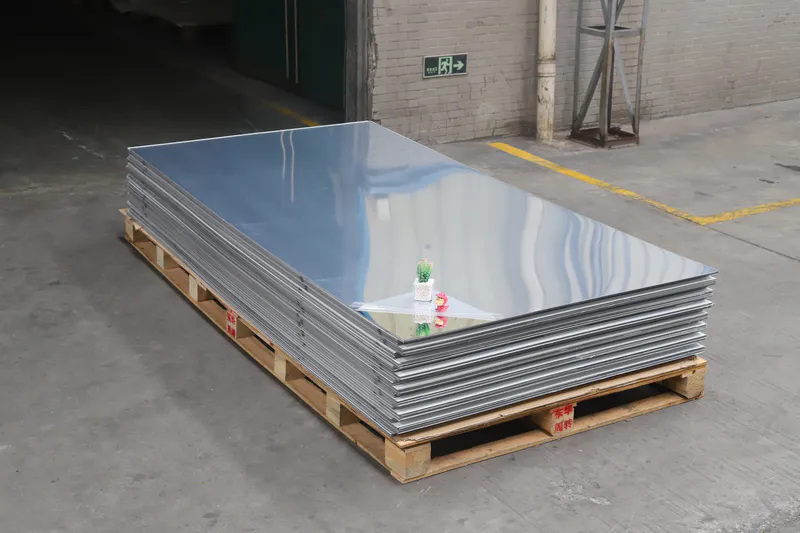
Using our actual shipment of the 1220 mm * 2440 mm silver acrylic large mirror sheet as an example: with a thickness of 3 mm, one sheet weighs 11.16 kg. Therefore, the price per sheet, based on the current price per kilogram, is 11.16 * 2.17, resulting in 24.21 USD per sheet.
Why the Rate Changes: The Raw Material Connection
Acrylic mirror starts as PMMA, and PMMA is made from a chemical called methyl methacrylate, or MMA. MMA in turn is derived from petrochemical feedstocks — acetone and other inputs tied to the oil and gas market. This chain matters because it means the price of an acrylic mirror sheet is ultimately linked to global energy prices and the supply-and-demand balance of a specific industrial chemical.
The connection is direct. As the market analysts at ChemAnalyst note, more than 76% of all MMA produced globally goes into making PMMA — so the two markets move closely together, and when MMA feedstock costs rise, PMMA production costs follow. When the cost of producing the raw sheet goes up, the per-kilogram rate for finished acrylic mirror goes up with it. When raw material costs fall, the rate eases back down.
This isn’t a small or theoretical effect. Recent market data shows just how much these prices can swing. According to a 2026 raw-material analysis by ZiJun Plastics, MMA prices gained 1.52% month-on-month in February 2026 and then surged 39.71% in March, driven largely by spiking energy benchmarks. A nearly 40% jump in the cost of the core raw material in a single month is the kind of movement that necessarily flows through to finished-product pricing across the entire industry.
The drivers behind these swings are worth understanding, because they explain why no acrylic mirror supplier can honestly promise a fixed price indefinitely:
Energy and crude oil prices
- Because MMA is petrochemical-derived, and because the manufacturing process itself is energy-intensive, the price of acrylic tracks energy costs. A market analysis from Expert Market Research noted that PMMA extrusion prices rose in early 2025 partly because of geopolitical conflict pushing crude oil above $120 per barrel, with the energy-intensive extrusion process compounding the effect as electricity costs rose 10 to 15% in major manufacturing regions.
Supply-chain and shipping disruptions
- The same analysis pointed to shipping holdups — including Suez Canal disturbances and delays in shipments from Asia and the Middle East — as a factor restricting MMA supply and pushing extrusion-grade PMMA prices up. Because much of the world’s acrylic raw material moves by sea, shipping disruptions translate fairly quickly into material cost increases.
Regional supply and demand balance
- Prices vary meaningfully by region depending on local production capacity and demand. Pricing data published by IMARC Group put April 2026 PMMA prices at roughly 2.29 USD/kg in Northeast Asia, 3.17 USD/kg in Southeast Asia, 3.88 USD/kg in Europe, and 4.26 USD/kg in North America — a spread of nearly two-to-one between the cheapest and most expensive regions. This regional variation is one reason where a supplier sources material affects the price they can offer.
Seasonal demand cycles
- Demand from the major PMMA-consuming sectors — automotive, construction, electronics, signage — rises and falls seasonally and with broader economic conditions. When automotive and construction demand is strong, it pulls raw material prices up; when those sectors soften, prices ease. Market reports through 2025 described a generally soft-to-stable trend in MMA as construction and automotive demand stayed cautious, before the sharp reversal in early 2026.
The practical takeaway: the rate we quote moves because the raw material market underneath it moves, sometimes sharply. A weight-based formula with a current rate is the honest way to price a product whose cost basis genuinely fluctuates. Locking in a fixed published price would just mean the price was wrong half the time.
What Else Affects the Final Price
The weight-based material cost is the foundation, but a few other factors affect what a finished order actually costs.
Thickness
- Thicker material weighs more and costs proportionally more. But it’s worth noting separately because it’s the single biggest lever a buyer controls. Choosing 3mm where 3mm is adequate, rather than defaulting to 5mm or 6mm, can cut the material cost by 40% or more. The thickness guide covers how to match thickness to the application so you’re not paying for more material than the job needs.
Color and finish
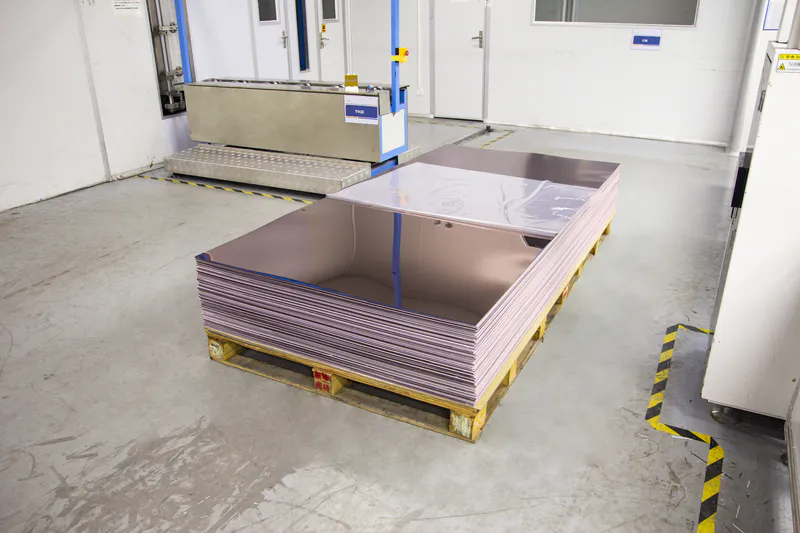
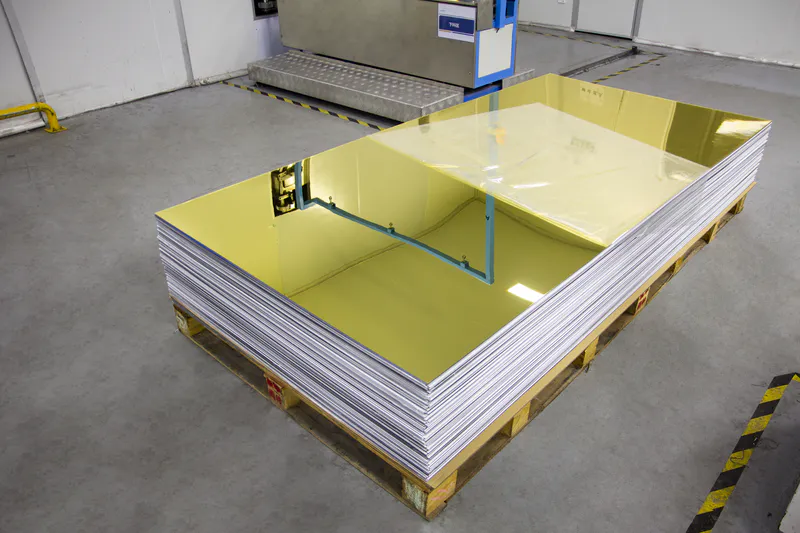
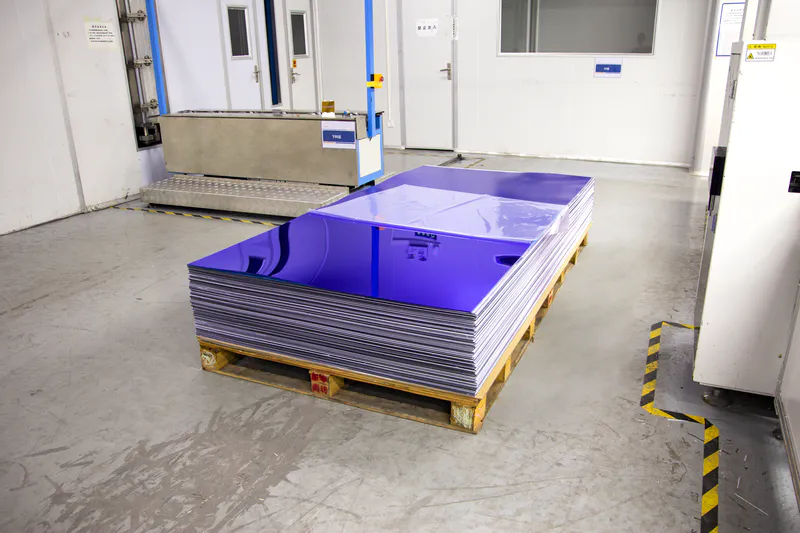
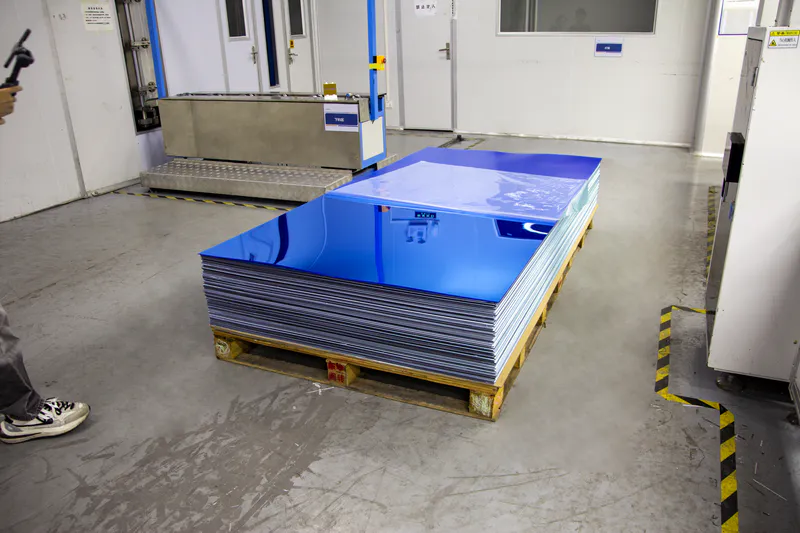
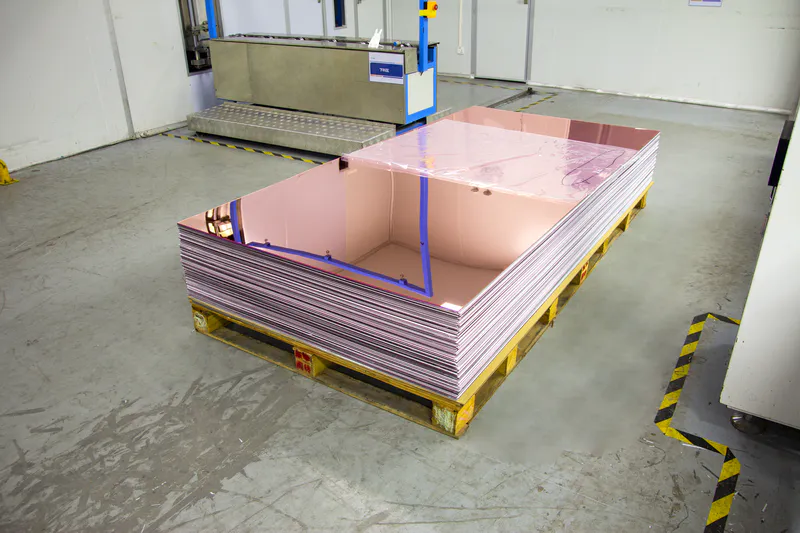
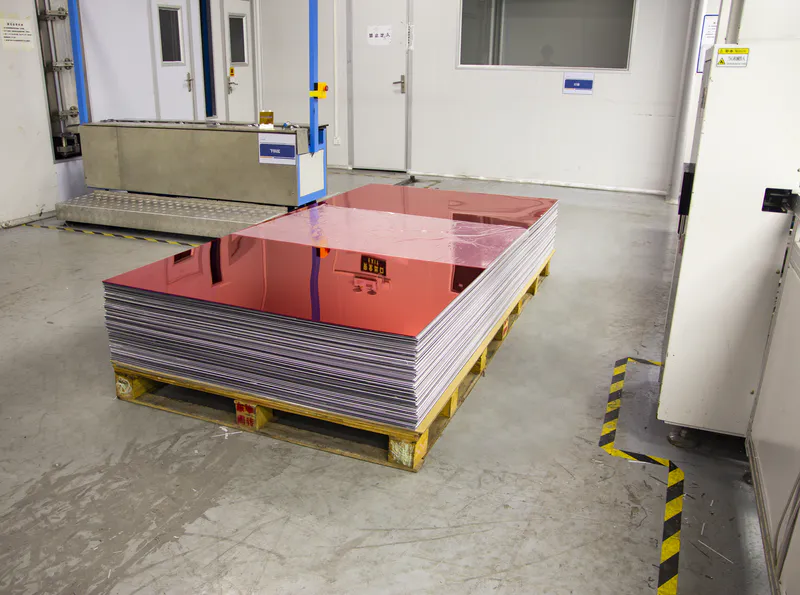
- Standard silver mirror is the baseline. Colored finishes — gold, rose gold, bronze, smoked black, and others — typically carry a premium over silver, because the colored coatings involve additional materials and process steps. The premium varies by color and by how specialized the finish is.
- The picture below shows large acrylic mirror sheets in different colors supplied by our factory. Generally speaking, the gold series is relatively cheaper, and the prices vary slightly between different colors, but the differences are not large.
Cutting and fabrication
- The base price is for the material. Custom cutting, drilling, edge polishing, and shaping add fabrication charges on top, as we covered in the custom cut acrylic mirror guide. For a simple rectangular cut the charge is modest; for complex shapes with finished edges and multiple cutouts, fabrication can add significantly to the total.
Quantity
- Larger orders generally carry better per-unit pricing because fixed costs (setup, handling, processing) spread across more material. For projects that can consolidate ordering, reaching a higher quantity tier can meaningfully reduce the per-sheet cost.
Shipping
- Acrylic mirror is lightweight relative to glass, which helps, but full sheets still ship freight rather than parcel because of their dimensions. Shipping cost depends on distance, quantity, and whether the order can be palletized efficiently. For large or distant orders, shipping can be a meaningful share of the total landed cost.
How to Use This to Estimate Your Project
First, work out the weight of the sheets you need using the dimensions-and-thickness formula. Then multiply by the current per-kilogram rate to get the base material cost. Then add an allowance for any cutting or fabrication, a premium if you’re choosing a colored sheet, and a shipping estimate based on your location and order size.
For a quick gut-check on a standard silver mirror order, the material cost alone works out to roughly $1.18 per square foot at 3mm and the current rate — though this scales directly with thickness and moves with the rate, so treat it as a snapshot rather than a fixed figure. For a current quote on a specific order, the rate on the day is what matters, and that’s worth confirming rather than relying on a number from a blog post that may be weeks or months old.
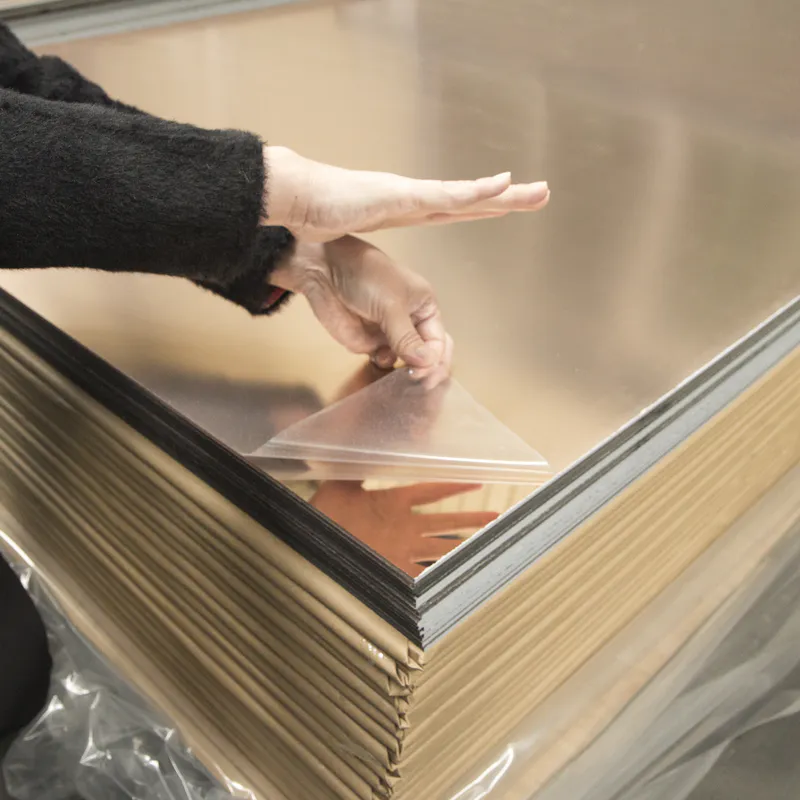
This is also why getting a current quote is genuinely worthwhile rather than just a formality. The rate when you read this may not be the rate when you order. A supplier quoting from the live raw material market can give you an accurate current price; a fixed published price list, by contrast, is either padded to cover future increases or quietly out of date.
A Note on Comparing Prices Across Suppliers
When comparing acrylic mirror prices between suppliers, the weight-based view helps cut through confusing presentation. Some suppliers quote per sheet, some per square foot, some per square metre, some by weight. Converting everything back to a per-kilogram or per-square-foot basis at a known thickness makes genuine comparison possible.
A few things worth watching when comparing:
The thickness has to match for a price comparison to mean anything. A cheaper sheet that turns out to be 2.5mm versus a 3mm competitor isn’t actually cheaper on a like-for-like basis. Always confirm the actual thickness, and remember the nominal-versus-actual thickness tolerance we covered in the thickness guide — “1/4 inch” often means 5.5mm in practice, not 6mm.
Material grade matters too. Lower-cost material sometimes reflects lower surface quality, more defects, or thinner reflective coating. A price that looks unusually low is worth questioning on grade before assuming it’s a better deal.
And the region the material is sourced from affects both price and lead time, given the regional price spreads noted above. The cheapest quoted price sometimes carries longer lead times or higher shipping that erases the apparent saving.
When Material Cost Isn’t the Main Factor
For some applications, the raw material cost is a small part of the total project cost, and optimizing it isn’t where the savings are.
For large-format installations, the mounting — the rigid backing, the adhesive, the installation labour — often costs as much as or more than the mirror itself. Shaving a few dollars off the material cost matters less than getting the installation right.
For curved mirror products and finished safety mirrors, the manufacturing process (thermoforming, framing, mounting hardware) drives the price more than the raw material weight. These products aren’t priced on the simple sheet formula because they’re not simple sheets.
For small craft and decorative pieces, the material cost per piece is so low that handling, cutting, and packaging dominate the price. The weight-based formula still applies to the underlying material, but it’s a minor part of the per-piece cost at small sizes.
Knowing where the cost actually sits in your specific project helps focus the budgeting effort where it matters. For a plain large sheet order, the material rate is most of the cost and worth tracking. For a fabricated or finished product, the processing is the bigger number.